Author: Casey McCully

  • Greatest Marketing Campaigns: Out-of-Home Advertising

    Out-of-home (OOH) advertising continues to be one of the most effective ways to grab public attention, combining creativity with visibility in high-traffic areas. From billboards to bus stops, these campaigns often rely on visual impact and clever messaging to resonate with passersby and leave a lasting impression. Below are five standout examples of OOH campaigns that demonstrate how powerful and strategic this medium can be.


    1. McDonald’s “Election Day” Billboard

    Description:
    This billboard featured three French fries with different amounts of ketchup labeled “Conservative,” “Moderate,” and “Liberal.” With a humorous and timely take on politics, McDonald’s positioned itself as a brand that everyone can agree on—no matter their political views.

    Objectives:
    The campaign aimed to boost brand relevance during the election season and create a culturally resonant moment that would be widely shared and discussed, particularly on social media.

    Target Market:
    The general public, especially politically engaged individuals and young adults who are active online.

    Call to Action:
    While indirect, the ad subtly encourages people to visit McDonald’s on Election Day, using humor and relatability as a hook.

    Value Proposition:
    McDonald’s is a universally appealing, inclusive choice that fits all lifestyles and perspectives.


    2. Allegheny Health Network’s “World’s Largest Cast”

    Description:
    Installed outside PNC Park in Pittsburgh, this 40-foot fiberglass arm cast invited people to sign their names in support of orthopedic patients. The large-scale installation turned a simple medical device into a symbol of community care.

    Objectives:
    To raise awareness for AHN’s orthopedic services and position the network as community-centered and innovative in its outreach.

    Target Market:
    Local Pittsburgh residents, sports fans, and those seeking healthcare services.

    Call to Action:
    Builds brand familiarity and encourages potential patients to consider AHN for orthopedic care.

    Value Proposition:
    AHN provides expert, compassionate orthopedic services backed by community support.

    Source: PRWeb


    3. Netflix’s “Narcos” Bus Stop Installation

    Description:
    A bus stop in Los Angeles featured a glass case filled with stacks of fake cash and a quote from Pablo Escobar: “Pablo Escobar once burned $2M to keep his family warm.” The campaign promoted the new Netflix series Narcos and grabbed attention through shock and spectacle.

    Objectives:
    To build buzz for the premiere of Narcos and communicate the extreme wealth and drama at the center of the show.

    Target Market:
    Adults aged 18–45, particularly fans of crime dramas and historical narratives.

    Call to Action:
    Encourages people to stream Narcos on Netflix by piquing curiosity and creating visual intrigue.

    Value Proposition:
    Narcos offers gritty, high-quality storytelling based on real historical events, appealing to thrill-seekers and true-crime enthusiasts.


    4. Colorado DOT’s “Dangerous Combinations” Billboard

    Description:
    This striking billboard featured a car shaped like a marijuana joint, crashed and mangled, with the slogan “Hits Lead to Hits – Don’t Drive High.” The ad used a literal visual pun to drive home a serious safety message.

    Objectives:
    To reduce impaired driving related to marijuana use by creating a memorable and impactful public safety announcement.

    Target Market:
    Drivers in Colorado, especially younger adults who use recreational cannabis.

    Call to Action:
    Avoid driving under the influence of cannabis; prioritize safety and responsibility.

    Value Proposition:
    Emphasizes the importance of safe driving habits and protects the community from avoidable accidents.

    5. Kettle Chips’ “Second Best Edibles” Billboard

    Description:
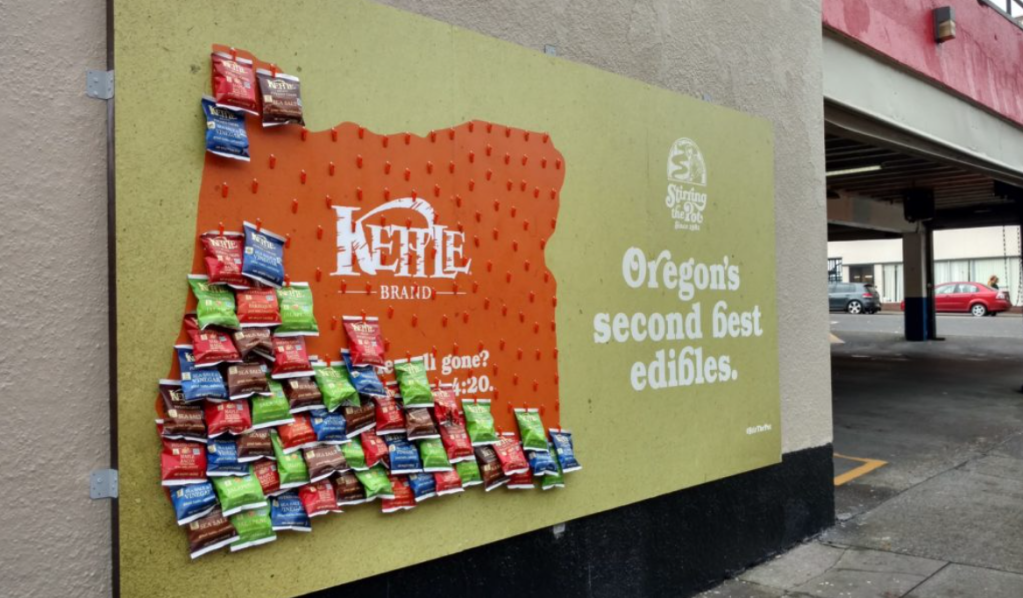
    A billboard shaped like the state of Oregon was covered in clips holding free bags of Kettle Chips. The headline read, “Oregon’s Second Best Edibles.” Once the chips were gone, another message was revealed: “Munchies all gone? Check back at 4:20.”

    Objectives:
    To tap into Oregon’s cannabis culture and promote Kettle Chips as the go-to snack for those experiencing the munchies.

    Target Market:
    Snack lovers, millennials, and Gen Z consumers, especially those who engage with cannabis culture.

    Call to Action:
    Try Kettle Chips, and come back for more—especially during late-afternoon cravings.

    Value Proposition:
    Kettle Chips provides flavorful, indulgent snacks that are perfect for fun, laid-back moments.


    Recognizing Excellence in Advertising

    These campaigns exemplify the creativity, cultural insight, and strategic messaging that characterize the best out-of-home advertisements. Whether the goal is to entertain, inform, or promote public safety, these ads succeed in engaging their audiences and leaving a lasting impression.

    To explore more award-winning advertising campaigns across all media types, visit the Advertising Education Foundation’s Ad Award Archive.

  • Porter’s Value Chain

    What does it take to build a nonprofit that truly serves senior dogs—not just with love, but with lasting impact?

    The Frosted Face Foundation is a proposed sanctuary dedicated to giving older dogs the comfort, care, and dignity they deserve in their final chapter. While the organization doesn’t yet exist, I’ve been working to lay the foundation for a sustainable, effective, and mission-driven nonprofit.

    One of the strategic tools I’m using is Porter’s Value Chain—a framework that breaks down the core and support activities of an organization to understand how value is created at every level. It’s not just for corporations; it’s incredibly helpful for nonprofits too, especially when our “value” is measured in second chances, stability, and love.

    In this video, I walk through each part of the proposed value chain for Frosted Face Foundation—from how we plan to intake dogs, care for them, and place them in loving homes, to the behind-the-scenes systems that will support that mission. Every step is designed to align with one goal: to give senior dogs the best possible final chapter.

  • Understanding the Landscape: A Competitive Analysis for Frosted Face Foundation

    Understanding the Landscape: A Competitive Analysis for Frosted Face Foundation

    At Frosted Face Foundation, our dream is to create a sanctuary where senior dogs—often overlooked due to age or medical needs—can receive the love, comfort, and care they deserve. While we’re still in the early stages of planning, strategic groundwork is critical to building something that lasts.

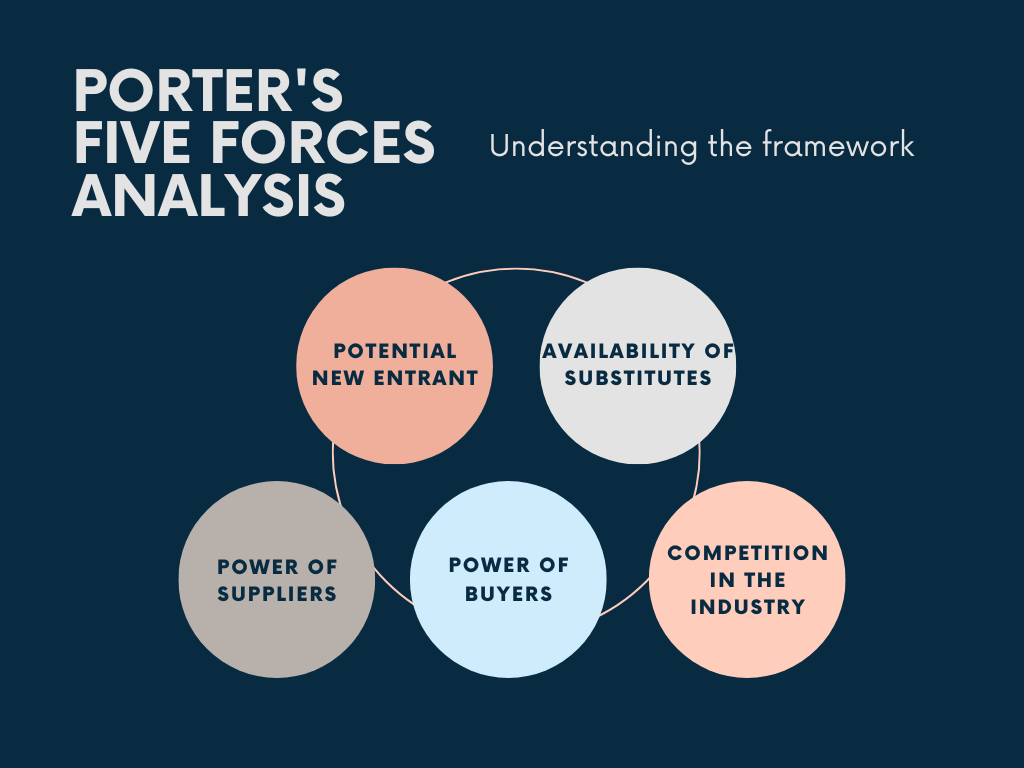
    In this video, I walk through a Porter’s Five Forces analysis, a framework used to assess the competitive landscape in any sector—including nonprofits. This tool helps us better understand the forces that could affect our success: from donor behavior and veterinary partnerships to the growing number of animal welfare organizations in our region.

    Each of the five forces—the threat of new entrants, supplier power, buyer power, threat of substitutes, and industry rivalry—sheds light on what we’re up against, and where we can carve out a meaningful space.

    This isn’t just about standing out. It’s about identifying how to collaborate, how to communicate our value, and how to build a mission that can thrive in a crowded and complex ecosystem. Most importantly, it’s about preparing to serve senior dogs with the dignity and compassion they deserve.

  • Iconic Influence: 5 Magazine Ads That Changed Advertising

    Magazine advertisements have long served as cultural mirrors—reflecting shifting trends, tapping into emotions, and even rewriting the rules of consumer behavior. Unlike fleeting digital banners, magazine ads often live on in readers’ minds for years, their glossy layouts and powerful messages leaving lasting impressions.

    Since the 1980s, the advertising industry has produced some of its most provocative, persuasive, and unforgettable work within the pages of fashion, tech, and lifestyle magazines. In this post, we’ll dive into five magazine advertisements that not only grabbed attention but also reshaped the identities of the brands behind them. From scandalous denim slogans to empowering sportswear mantras, these ads didn’t just sell products—they defined eras.


    1. Calvin Klein Jeans – “Nothing Comes Between Me and My Calvins” (1980)

    Description:
    This provocative ad featured a 15-year-old Brooke Shields in form-fitting Calvin Klein jeans saying, “You want to know what comes between me and my Calvins? Nothing.” The sexual undertone drew controversy but cemented Calvin Klein as a provocative, trendsetting brand.

    Objectives:
    The campaign aimed to generate massive brand awareness and spark conversation by pushing societal boundaries, resulting in a sharp spike in sales.

    Target Market:
    Teenagers and young adults looking to make bold fashion statements and embrace edgy, urban styles.

    Call to Action & Benefits:
    Encouraged consumers to wear Calvin Klein jeans to project confidence and sex appeal.

    Value Proposition:
    Calvin Klein jeans were presented as more than just pants—they were a cultural badge of youthful rebellion and fashion-forward thinking.


    2. Apple – “Test Drive a Macintosh” (1984)

    Description:
    Following the iconic “1984” Super Bowl commercial, this print campaign invited users to “test drive a Macintosh” for 24 hours. It highlighted Apple’s revolutionary interface and design, contrasting with the cold, complex systems of competitors.

    Objectives:
    Introduce the Macintosh computer to the public and establish Apple as the user-friendly choice in tech.

    Target Market:
    Tech-forward professionals, creatives, and students seeking innovation.

    Call to Action & Benefits:
    Encouraged readers to visit Apple dealers and try the Mac, promising intuitive usability and cutting-edge design.

    Value Proposition:
    Apple positioned the Macintosh as a personal, accessible computing tool that empowered users to be more productive and creative.


    3. Nike – “Just Do It” (1988)

    Description:
    Nike’s now-iconic slogan debuted with a powerful campaign featuring everyday athletes alongside professionals. “Just Do It” became more than a catchphrase—it was a movement.

    Objectives:
    To emotionally connect with consumers and inspire them to view Nike not just as sportswear, but as a mindset.

    Target Market:
    Everyone from seasoned athletes to people new to fitness—all united by a desire to overcome challenges.

    Call to Action & Benefits:
    Motivated people to take action, try harder, and push through physical or mental boundaries with Nike gear.

    Value Proposition:
    Nike provided the apparel, but the true value was empowerment—the idea that anyone could achieve greatness with the right mindset.


    4. Absolut Vodka – “Absolut Perfection” (1980s)

    Description:
    This minimalist ad showcased the brand’s iconic bottle with a halo above it, paired with the clever tagline “Absolut Perfection.” It was the start of a long-running and wildly successful ad series.

    Objectives:
    To differentiate Absolut in a competitive liquor market through artistic, elegant advertising.

    Target Market:
    Design-conscious, urban drinkers who appreciated creativity and quality.

    Call to Action & Benefits:
    Subtly encouraged consumers to associate Absolut with sophistication and premium taste.

    Value Proposition:
    Absolut positioned itself not just as a vodka, but as a lifestyle brand—clean, clever, and premium.


    5. Got Milk? – Celebrity Milk Mustache Ads (1993)

    Description:
    Launched by the California Milk Processor Board, this campaign featured celebrities from sports and entertainment with milk mustaches, along with the question “Got Milk?” It became a pop culture phenomenon.

    Objectives:
    Reverse declining milk sales by making milk consumption appear trendy and essential, especially for growing kids and teens.

    Target Market:
    Parents, kids, teens, and health-conscious consumers.

    Call to Action & Benefits:
    Encouraged people to drink more milk by associating it with bone strength, growth, and celebrity coolness.

    Value Proposition:
    Milk isn’t just healthy—it’s relevant and endorsed by your favorite celebrities.


    Conclusion: The Art of Lasting Impact

    What makes these magazine ads truly iconic isn’t just strong visuals or clever taglines—it’s their ability to emotionally resonate, culturally connect, and drive action. While their tactics varied—from Apple’s invitation to experience something new, to Calvin Klein’s controversy-laden confidence—each ad understood its audience and knew how to make an impression that would outlast the turn of a page.

    They all reflect one golden rule of great advertising: show the consumer who they can be with your product, not just what they can buy. Whether it was milk, denim, sneakers, or software, these five campaigns used magazines not just to advertise—but to inspire, challenge, and influence.

  • Five Influential Newspaper Advertisements That Changed the Game

    Newspaper advertisements have long been a powerful force in shaping public opinion, selling products, and even mobilizing nations. Before the rise of television, the internet, and social media, newspapers were the go-to medium for reaching a broad audience. With their visual impact and carefully crafted messaging, newspaper ads have the unique ability to evoke emotion, shift cultural norms, and drive real action—all on a single printed page. In this post, we’ll explore five of the most influential newspaper advertisements of all time, analyzing what made them effective, who they were targeting, and what actions they inspired.


    1. De Beers: “A Diamond is Forever” (1947)

    Description:
    This iconic De Beers ad featured an elegant black-and-white photo of a couple, anchored by the unforgettable line, “A Diamond is Forever.” The emotional appeal here is clear: enduring love. It tapped into the universal desire for lasting connection, making the diamond ring the ultimate symbol of commitment.

    Objectives:
    The goal was to increase diamond sales by cementing the tradition of diamond engagement rings in American culture. The objective was clear, long-term, and measurable—sales skyrocketed, and the tradition took hold.

    Target Market:
    Young couples, particularly men preparing to propose. The ad sought to influence not only individuals but an entire cultural expectation.

    Call to Action & Benefits:
    Buy a diamond engagement ring to express your love. For women, receiving one signified being deeply cherished. The benefit was emotional and symbolic more than practical.

    Value Proposition:
    Diamonds are rare, beautiful, and enduring—just like true love. The ad positioned the product as not just a luxury, but a necessity in modern romance.


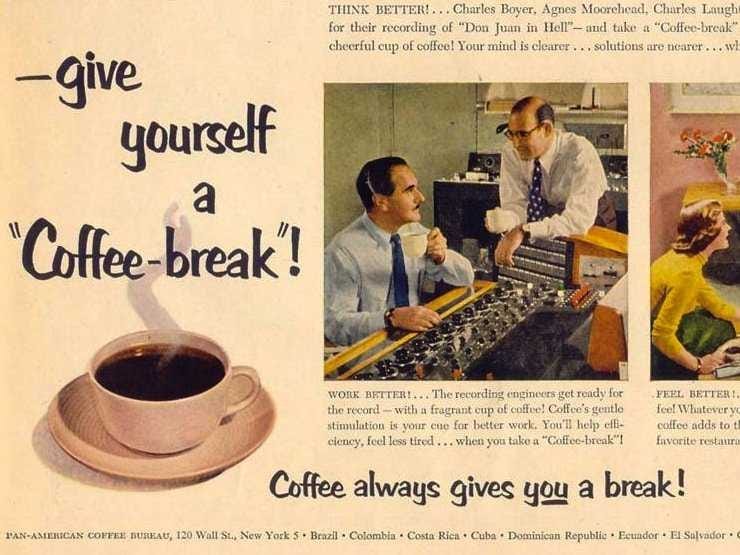
    2. Pan American Coffee Bureau: “Give Yourself a Coffee-Break” (1952)

    Description:
    This cheerful ad encouraged workers to “Give Yourself a Coffee-Break,” showing upbeat office scenes of people enjoying a midday caffeine pick-me-up. The emotional appeal focused on comfort, productivity, and a sense of reward.

    Objectives:
    To boost national coffee consumption by embedding the idea of a workplace coffee break into daily routine. The goal was behavioral and measurable—get more people to drink more coffee, more often.

    Target Market:
    Office workers and employers. The campaign especially targeted white-collar environments where scheduled breaks could become institutionalized.

    Call to Action & Benefits:
    Encourage taking a mid-morning or afternoon coffee break. Workers benefited from increased alertness and social bonding. Employers got more refreshed, productive employees.

    Value Proposition:
    Coffee isn’t just a drink—it’s fuel for productivity and a necessary pause in the day to recharge mentally and physically.


    3. Volkswagen: “Think Small” (1959)

    Description:
    A clean, minimalistic design featuring a tiny Volkswagen Beetle in a sea of white space. The message? “Think Small.” This ad flipped the narrative of what a car should be and evoked trust through humility and logic.

    Objectives:
    To build brand awareness and boost U.S. sales by positioning the Beetle as a smarter alternative to bulky American cars. The campaign was measurable in sales and brand recognition.

    Target Market:
    Pragmatic, value-driven consumers—often younger, urban, and less status-oriented. The ad appealed to those who thought differently about cars and life.

    Call to Action & Benefits:
    Buy a Beetle. The benefit? Affordability, fuel efficiency, reliability, and ease of use. It made driving practical, not showy.

    Value Proposition:
    The Beetle offered a more rational, budget-conscious, and dependable driving experience at a time when bigger was assumed to be better.


    4. Winston Cigarettes: “Winston Tastes Good Like a Cigarette Should” (1954–1972)

    Description:
    With its catchy (and grammatically controversial) slogan, this ad featured smiling people enjoying Winston cigarettes. The emotional appeal was based on pleasure, satisfaction, and rebellious familiarity.

    Objectives:
    To increase brand loyalty and market share by associating Winston with superior taste. It aimed to stand out in a crowded cigarette market through repetition and cultural stickiness.

    Target Market:
    Adult smokers of all genders, particularly those looking for a “better-tasting” cigarette and perhaps enjoying the brand’s slightly rebellious attitude.

    Call to Action & Benefits:
    Buy Winston cigarettes. The benefit was a smoother, more satisfying smoke—framed as the standard by which all cigarettes should be judged.

    Value Proposition:
    Taste is the key differentiator. If you want a cigarette that delivers flavor and satisfaction, Winston is it.


    5. Lord Kitchener: “Your Country Needs You” (1914)

    Description:
    This British WWI recruitment ad used a simple but powerful image: Lord Kitchener pointing at the reader with the message “Your Country Needs YOU.” The emotional appeal was duty, nationalism, and urgency.

    Objectives:
    To increase enlistment in the British Army during the early days of World War I. The ad was short-term and very measurable based on recruitment numbers.

    Target Market:
    Able-bodied British men, particularly those of military age, who felt a sense of patriotic obligation or social pressure.

    Call to Action & Benefits:
    Enlist in the army. Benefits were framed in honor and heroism—serving the country was a noble act that brought prestige and personal fulfillment.

    Value Proposition:
    Joining the military was portrayed as both a responsibility and a privilege. It allowed men to be part of something greater than themselves.


    Conclusion: What Makes These Ads Effective?

    While these five ads span vastly different industries and decades—from diamonds to cigarettes to war—they share some powerful similarities:

    • Emotional Connection: Each ad tapped into deep emotional themes—love, duty, pride, rebellion, or productivity.
    • Cultural Timing: They were all perfectly timed to meet (or create) a cultural moment—whether it was a post-war marriage boom, a wartime crisis, or the rise of office culture.
    • Clear Messaging: None of these ads were subtle. They each had a straightforward message and an obvious next step for the consumer or citizen.
    • Memorable Language or Imagery: Whether it was a catchy slogan, a striking visual, or a clever reversal of norms, they stuck in the public consciousness.

    Yet, the differences are just as telling. Some ads relied on fear or duty (Lord Kitchener), while others used lifestyle aspiration (De Beers) or logic (Volkswagen). This diversity shows that effective advertising doesn’t follow a single formula—it’s about understanding your audience, the cultural context, and the emotional levers that move people to action.

  • Strategic Planning for Senior Dogs: A PESTEL Analysis for Frosted Face Foundation

    Strategic Planning for Senior Dogs: A PESTEL Analysis for Frosted Face Foundation

    What would it look like to create a sanctuary where senior dogs—those most often overlooked in shelters—could live out their final years surrounded by love, comfort, and dignity?

    The Frosted Face Foundation is a proposed nonprofit dedicated to that vision. While the organization doesn’t yet exist, I’m taking the first strategic steps to ensure that when it does, it’s built on a solid, thoughtful foundation.

    One of those steps is conducting a PESTEL analysis—a tool that examines the Political, Economic, Sociocultural, Technological, Environmental, and Legal factors that could influence the success and sustainability of this mission. From navigating zoning laws and nonprofit regulations, to preparing for the emotional and financial realities of caring for senior dogs, this analysis helps anticipate what lies ahead.

  • Creativity Over Cash: Lessons in Nonprofit Marketing from Mountain Pet Rescue

    Creativity Over Cash: Lessons in Nonprofit Marketing from Mountain Pet Rescue

    In the world of animal welfare, the work is never done. The need is constant, the stakes are high, and the resources are almost always limited. That’s why I was so excited to sit down with Melanie Harriss, the Marketing Director of Mountain Pet Rescue, to talk about the realities of nonprofit marketing—especially when you’re working with little to no budget.

    In this interview, Melanie shares candid insights into what it’s like to market a mission-driven organization without the typical financial resources most marketers rely on. She talks about how creativity, community, and authenticity have been essential in helping Mountain Pet Rescue spread their message and find homes for hundreds of dogs and cats each year.

    We discuss some of the key challenges she faces, from balancing the emotional weight of rescue work to finding new ways to reach potential adopters and supporters without spending money. Melanie also shares which tools, strategies, and social media channels have been most successful for Mountain Pet Rescue, as well as how she and her team prevent burnout in a high-stress, emotionally charged environment.

    If you’ve ever wondered how small, mission-based organizations keep going—and growing—despite limited resources, this conversation is for you. It’s a reminder that you don’t always need a big budget to make a big impact; sometimes, passion, persistence, and a strong community are the most powerful tools you can have.

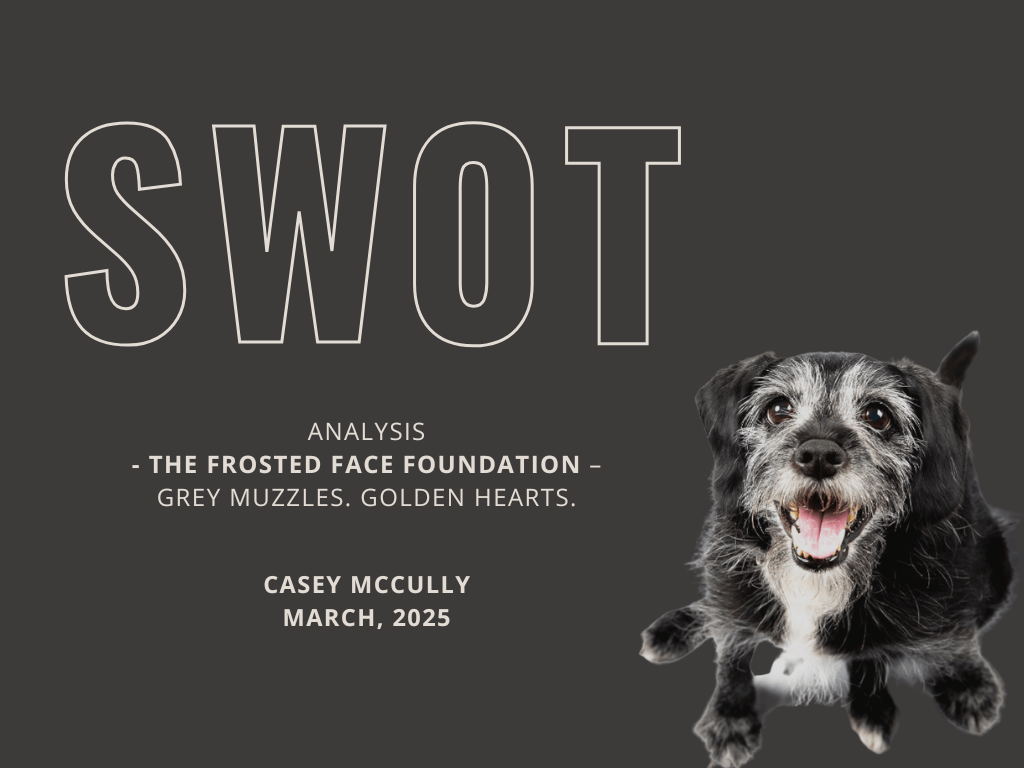
  • Imagining a Sanctuary for Senior Dogs: The SWOT Behind Frosted Face Foundation

    Imagining a Sanctuary for Senior Dogs: The SWOT Behind Frosted Face Foundation

    What if there were a sanctuary created just for senior dogs—those gentle, wise companions often passed over in shelters simply because of their age?

    The Frosted Face Foundation is a proposed nonprofit dedicated to that exact mission: giving senior dogs the comfort, medical care, and love they deserve in their final chapter. While the foundation doesn’t yet exist, the vision is clear—and taking shape.

    In this video, I walk through a detailed SWOT analysis to explore what strengths we can build on, where we’ll face challenges, and what opportunities and threats exist in the animal rescue landscape. It’s a first step in crafting a nonprofit that isn’t just emotionally meaningful, but strategically sound.

    Senior dogs may move slower, but their capacity for connection is deep and powerful. My hope is that this analysis will not only serve as a foundation for future planning—but also help spark interest, support, and collaboration from others who believe these dogs still have so much love to give.

    If you’ve ever been touched by an old dog, I hope you’ll take a few minutes to watch—and imagine what we can build together!

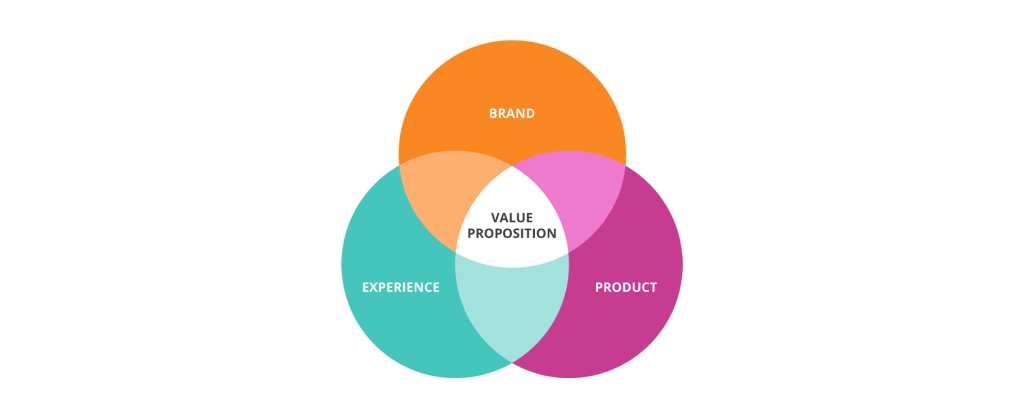
  • From Passion to Purpose: Creating a Value Proposition

    From Passion to Purpose: Creating a Value Proposition

    Why a Value Proposition Matters

    A value proposition is more than a mission statement—it’s a promise. It explains why someone should engage with your organization and what unique benefit you offer. As the Harvard Business School blog emphasizes, an effective value proposition should be clear, specific, and targeted. It needs to answer the critical question: Why you?

    As I dove into research, I realized just how vital this was—not only for potential donors and adopters but also for volunteers, advocates, and even the dogs we serve.

    How to Write a Strong Value Proposition

    The process of writing a value proposition begins with truly understanding the people you’re trying to reach. Who are they? What do they care about? What problems are they facing—and how does your organization offer a solution? According to Salesforce’s guide to customer value propositions, this clarity only comes from empathy and insight. It’s not about listing features—it’s about identifying the transformation you offer.

    Once you understand your audience, the next step is to articulate your promise in a way that’s compelling, concise, and emotionally resonant. As Help Scout’s examples illustrate, the best value propositions don’t bury the lead. They use plain language, speak to the heart, and often paint a before-and-after picture. This is especially important in the nonprofit world, where you’re not just offering a product—you’re inviting people into a mission.

    I found it helpful to begin with a longer version, breaking down exactly what we do for each key audience. Then, once I had a strong foundation, I refined it down to a shorter message that would be easier to share and remember. This exercise helped me not just clarify my message—but also reconnect with why I started this nonprofit in the first place.

    Where I Started

    I began by outlining a detailed value proposition that spoke to four key audiences we hope to serve:


    The Frosted Face Foundation will be a senior dog sanctuary dedicated to providing love, comfort, and lifelong care to senior dogs who are often overlooked due to age or medical conditions. Our value proposition will speak uniquely to four key groups:

    Forever Foster & Adoptive Families
    We will offer the opportunity to transform a dog’s final chapter—without the financial burden. Forever Fosters will receive ongoing veterinary care and support while welcoming a loving companion into their homes. For adopters of healthier seniors, we will provide transparent medical histories, behavioral insights, and continued guidance.

    Donors & Supporters
    Your contributions will have an immediate, visible impact—funding vet visits, prescription medications, orthopedic beds, and comforting final days for senior dogs who would otherwise be euthanized or forgotten in shelters. Donors will be kept connected to the mission through heartfelt stories, photos, and updates on the dogs they help save.

    Volunteers
    Volunteers will have the opportunity to engage in meaningful, hands-on work with sweet senior pups who truly need them. Whether through dog walking, event support, or administrative help, volunteers will become part of a mission-driven community filled with gratitude, wagging tails, and purpose.

    Advocates & Educators
    We will partner with pet professionals, educators, and content creators to spread the word about the needs of senior dogs—redefining aging pets as wise, loving, and deeply deserving. Advocates will help rewrite the narrative around “unadoptable” dogs, one story at a time.


    While this comprehensive version helped me think deeply about our audience and their needs, I realized that I needed something shorter—something that could serve as a concise, powerful introduction across platforms.

    The Refined Version

    After refining the message and focusing on clarity and emotional connection, I landed on the following:

    The Frosted Face Foundation – Grey Muzzles. Golden Hearts.

    The Frosted Face Foundation will be a safe haven for senior dogs who have lived their lives as loving, loyal companions who still have so much to give. Through our Forever Foster program, we’ll place these deserving dogs with families who see their value, while covering all medical care for life. With the support of a compassionate community, we’ll ensure every frosted face finds connection, comfort, and a place to call home.

    This version feels true to the mission and is simple enough to be used anywhere—from an elevator pitch to a fundraising campaign.

    What I Took Away

    Writing a solid value proposition taught me that clarity is kindness. By taking the time to articulate who we serve, how we do it, and why it matters, I’ve created a foundation that not only guides our messaging—it inspires connection. Whether someone is donating, fostering, volunteering, or advocating, they’ll know exactly how they fit into our story.

  • What Nonprofit Ads Can Teach Us About Storytelling, Connection, and Purpose

    What Nonprofit Ads Can Teach Us About Storytelling, Connection, and Purpose

    As I prepare to launch a nonprofit senior dog sanctuary—a haven where aging dogs can spend their golden years surrounded by love and care—I’ve been paying close attention to how nonprofit organizations communicate their mission. Unlike traditional businesses, nonprofits aren’t selling a product. They’re sharing a cause, evoking emotion, and asking people to take action out of empathy, not self-interest.

    Nonprofit advertisements are often short but incredibly impactful. They use emotion, storytelling, and a clear value proposition to inspire people to give, volunteer, or simply care. Below, I’ve analyzed five powerful nonprofit campaigns. These ads not only show how to tell a story effectively but also give insight into how I can shape the messaging for my sanctuary when the time comes.


    1. Barnardo’s – “Life Story”

    1. Description:
      Barnardo’s is a UK-based children’s charity. This ad follows a young man reliving trauma in reverse—drug abuse, domestic violence, bullying—ending in a hopeful scene where he’s comforted as a child. The emotional appeal is rooted in shock, empathy, and hope.
    2. Objectives:
      To raise awareness of how early intervention can change the course of a child’s life and to encourage donations. The campaign is attainable and measurable through increased awareness and contributions.
    3. Target Market:
      Adults who are socially conscious, have disposable income, and care about child welfare and social justice.
    4. Call to Action:
      Viewers are urged to support Barnardo’s to help vulnerable children. The benefit is knowing your contribution could alter the life of a real child in need.
    5. Value Proposition:
      Barnardo’s transforms the lives of at-risk children. With your support, they can offer timely intervention and long-term impact.

    2. RSPCA – Christmas Advert

    1. Description:
      The advert tells the story of Woody, a discarded toy dog left alone in various settings, symbolizing real animals abandoned during Christmas. The narrative evokes empathy and sadness, highlighting the plight of neglected pets.
    2. Objectives:
      The campaign aimed to increase awareness about pet abandonment and encourage responsible pet ownership, especially during the holidays. The objectives were measurable through increased engagement and support for the RSPCA’s initiatives.
    3. Target Market:
      The advert targeted animal lovers, families, and individuals considering pet adoption, emphasizing the responsibilities of pet ownership.
    4. Call to Action:
      Viewers were encouraged to support the RSPCA’s work, consider adopting pets responsibly, and ensure they are prepared for the commitment. The benefit is reducing pet abandonment and providing loving homes to animals in need.
    5. Value Proposition:
      The RSPCA offers guidance on responsible pet ownership and works tirelessly to rescue and rehome abandoned animals. Supporting their mission helps ensure that more pets find safe and loving homes.

    3. CALM – “Suicide Doesn’t Always Look Suicidal”

    1. Description:
      CALM (Campaign Against Living Miserably) shows smiling, laughing people surrounded by friends—then reveals it is the last video before they died by suicide. The contrast is deeply emotional, tapping into shock, awareness, and compassion.
    2. Objectives:
      To raise awareness about suicide in people who don’t “look” suicidal and encourage conversation and intervention. The campaign is behavior-change focused and very measurable by engagement.
    3. Target Market:
      Adults—especially men ages 18–45—who are statistically less likely to seek mental health support.
    4. Call to Action:
      Start conversations. Pay attention. Check in with your people. The benefit: saving lives and building a culture of emotional awareness.
    5. Value Proposition:
      CALM is a safe, stigma-free mental health resource that provides life-saving support and awareness.

    4. ASPCA – “Arms of an Angel”

    1. Description:
      This famous ASPCA ad pairs images of abused animals with Sarah McLachlan’s emotional ballad. It appeals directly to guilt, sadness, and urgency.
    2. Objectives:
      Increase monthly donations to support rescue and recovery for abused animals. The campaign is financially focused, measurable, and ongoing.
    3. Target Market:
      Animal lovers, especially women ages 25–65, watching TV during late-night or early morning hours.
    4. Call to Action:
      Donate monthly. The benefit is the satisfaction of knowing your small contribution is saving lives.
    5. Value Proposition:
      Your recurring donation provides food, medical care, and shelter for animals in need. Just a few dollars can make a huge difference.

    5. AdoptUSKids – “You Don’t Have to Be Perfect to Be a Perfect Parent”

    1. Description:
      This ad uses humor and relatability, showing imperfect but loving adults fumbling through parenting moments—while reminding viewers they could still be amazing adoptive parents.
    2. Objectives:
      To encourage the adoption of children from foster care by dispelling myths about who qualifies. The goal is measurable through increased inquiries and actual adoptions.
    3. Target Market:
      Adults or couples considering parenthood, especially those who may not see themselves as “ideal” parents (single people, LGBTQ+ individuals, etc.).
    4. Call to Action:
      Consider adoption through foster care. The benefit is the chance to provide a loving home to a child who needs it.
    5. Value Proposition:
      You don’t have to be perfect—just committed. AdoptUSKids supports you through the process of becoming the perfect parent for a waiting child.

    Bringing These Lessons to the Senior Dog Sanctuary

    What struck me most in analyzing these ads is how powerfully nonprofits tell stories. Businesses often market features, but nonprofits market feelings: compassion, connection, urgency, and hope. These are exactly the elements I want to carry into my own work with senior dogs.

    Some takeaways I’ll apply:

    • Tell individual stories, not statistics. One dog’s journey from abandonment to love is more powerful than data alone.
    • Create emotional resonance. Whether through joy, loss, humor, or second chances—emotion is what compels action.
    • Make participation easy and meaningful. Whether someone donates, fosters, volunteers, or shares a post, their role should feel impactful.
    • Stay authentic. People can sense sincerity. Vulnerability builds trust and strengthens community.

    These nonprofit ads remind us that people don’t just want to be sold something—they want to belong to something. As I work toward building a sanctuary for senior dogs, I’m learning how to craft messages that resonate deeply, invite support, and make people feel like they’re a vital part of the mission.

    Just like the children Barnardo’s protects, the animals the RSPCA rescues, and the families AdoptUSKids helps create—our sanctuary will be a place where second chances begin. And the right story, told with heart, can be the bridge that gets us there.

  • The Most Common Mistakes Nonprofit Startups Make—and How to Avoid Them

    The Most Common Mistakes Nonprofit Startups Make—and How to Avoid Them

    Starting a nonprofit is an exciting endeavor, but it’s also one that comes with unique challenges. Many passionate changemakers dive in headfirst with heart, vision, and commitment—only to find themselves facing roadblocks that could have been avoided with a little guidance. If you’re thinking about launching a nonprofit or are in the early stages, here are some of the most common pitfalls new organizations face—and how to steer clear of them.

    1. Lack of Clear Mission and Focus

    One of the biggest mistakes new nonprofits make is trying to do too much, too fast. Without a clear, focused mission, it becomes difficult to communicate your purpose, attract supporters, or measure impact.

    According to Charitable Allies, nonprofits often fail because they are “trying to help too many people in too many ways” without a well-defined target audience or outcome Charitable Allies. A tight, specific mission builds a strong foundation and makes decision-making easier.

    2. Not Understanding the Business Side of a Nonprofit

    A nonprofit is still a business—it just has a different tax status. Many founders underestimate the importance of having a solid operational plan, budget, and revenue strategy. As 501c3.org points out, nonprofits that don’t focus on sustainability and financial planning often find themselves struggling to survive 501c3.org.

    Jennifer Yarbrough adds that founders sometimes assume grants will immediately flow in, which leads to a lack of income diversity and poor financial forecasting LinkedIn.

    3. Failing to Build a Strong Board

    Many new nonprofits either treat the board like a formality or fill it with friends and family who may not be the best strategic partners. A nonprofit’s board is not just a legal requirement—it’s a governance and leadership team.

    Amber Melville Smith learned the hard way that having an unengaged board can hinder an organization’s growth. “You need a board of directors who are willing to fundraise, network, and be active champions of your cause,” she writes Medium.

    4. Neglecting Marketing and Storytelling

    Many founders believe that doing good will naturally attract attention—but in reality, people need to hear your story to care about your work. As Blue Avocado notes, not investing in strong communication strategies can limit outreach, support, and funding Blue Avocado.

    Take time to clarify your message, build a recognizable brand, and use social media and newsletters to share stories and results. It’s not about bragging—it’s about connecting.

    See my post on The Importance of Professional Marketing for New Entrepreneurial Organizations.

    5. Trying to Do Everything Alone

    Nonprofit founders are often visionaries, but that doesn’t mean they should be solo operators. Whether it’s managing the budget, writing grants, or running programs, doing everything alone leads to burnout and bottlenecks.

    Building a team of passionate, skilled people—volunteers, staff, or advisors—is crucial. As Jennifer Yarbrough emphasizes, collaboration and delegation are necessary for growth LinkedIn.


    Nonprofits have the power to transform lives and communities—but to thrive, they need more than heart. By staying focused, building the right team, and operating with sustainability in mind, you’ll increase your impact and avoid the traps that cause many nonprofits to stall early on.

    Resources Referenced:

    Biggest Mistakes New Nonprofits Make – Blue Avocado

    The Five Biggest Mistakes Nonprofits Make That Limit Their Effectiveness – 501c3.org

    7 Mistakes I Made Starting a Nonprofit – Amber Melville Smith on Medium

    Common Mistakes Nonprofit Startups Make – Jennifer Yarbrough on LinkedIn

    Top 3 Mistakes New Nonprofits Make – Charitable Allies

  • The Power of Cause-Driven Radio Ads: Lessons for Advocacy and Awareness

    The Power of Cause-Driven Radio Ads: Lessons for Advocacy and Awareness


    In a world saturated with advertising, cause-driven campaigns stand out by appealing to the heart rather than the wallet. Unlike commercial ads selling products, these messages advocate for change, inspire action, and raise awareness for issues that might otherwise go unnoticed.

    As someone looking to develop outreach strategies for a senior dog sanctuary, I wanted to explore award-winning radio advertisements from nonprofits and advocacy groups. Their techniques—evoking emotion, creating urgency, and driving audience action—are directly applicable to spreading awareness about senior pet adoption and sanctuary needs. Below, I analyze five Radio Mercury Award-winning ads that effectively used storytelling, irony, and shock value to achieve their goals.

    1. “I’m Going to Die” – The Humane Society (2014)
      🎧 Listen to the Ad

    Ad Description & Emotional Appeal:
    This ad presents the harsh reality of pet euthanasia from the perspective of an animal in a shelter. The pet’s voice is calm, resigned, and heartbreakingly matter-of-fact, making it clear that this is a routine occurrence rather than an isolated tragedy. The emotion comes not from dramatic pleas but from the simplicity of the message—these deaths happen because no one chooses to stop them.

    Objectives of the Ad Campaign:
    The campaign’s goal is to increase pet adoptions by making the issue feel personal and urgent. The Humane Society wants listeners to feel the weight of their potential inaction, driving them to visit shelters before it’s too late. Measuring success would include increased adoption rates and greater awareness of shelter euthanasia.

    Target Market:
    The ad targets animal lovers, potential pet adopters, and families considering a pet. It also appeals to those unaware of euthanasia rates, encouraging them to act out of empathy.

    Call to Action & Expected Benefit:
    Listeners are urged to adopt from The Humane Society, directly saving lives and gaining a loving, grateful pet in the process. The benefit extends beyond the adopter, as every adoption reduces overcrowding in shelters.

    Value Proposition:
    The Humane Society provides healthy, adoptable animals that need homes. Adoption is framed as an act of rescue, not just acquiring a pet.

    1. “The Vow” – National Coalition Against Domestic Violence (2012)
      🎧 Listen to the Ad

    Ad Description & Emotional Appeal:
    This ad takes the familiar setting of a wedding and flips it into a disturbing revelation of domestic abuse. The traditional vows are replaced with promises of control, harm, and emotional subjugation. The unexpected shift forces listeners to confront the hidden reality of abusive relationships, making it clear that for many, marriage is not a promise of love, but a life sentence of suffering.

    Objectives of the Ad Campaign:
    The ad aims to raise awareness about the prevalence of domestic violence and encourage victims and bystanders to take action. By presenting abuse in such a stark manner, it challenges the misconception that domestic violence is rare or only affects certain groups. Success is measured through increased website visits, hotline calls, and public discussion on domestic abuse.

    Target Market:
    The primary audience includes victims of domestic abuse, as well as friends, family, and the general public who might intervene. It also speaks to policymakers and advocacy groups working to improve protections for victims.

    Call to Action & Expected Benefit:
    Listeners are directed to NCADV.org to learn more about domestic violence resources. For victims, this means access to support networks, legal guidance, and safety planning. For others, it provides education on recognizing abuse and ways to help.

    Value Proposition:
    The National Coalition Against Domestic Violence offers critical resources, advocacy, and education to help victims escape dangerous situations and create a safer society.

    1. “Thoughts and Prayers” – Sandy Hook Promise (2018)
      🎧 Listen to the Ad

    Ad Description & Emotional Appeal:
    The ad mimics a news report from the scene of a school shooting before it happens, presenting a chilling sense of inevitability. The young student’s statement about playing dead forces the audience to experience a child’s preemptive survival strategy, something no child should ever have to consider. The closing line about officials offering “thoughts and prayers” highlights the lack of action in preventing gun violence, making inaction feel like a failure rather than sympathy.

    Objectives of the Ad Campaign:
    Sandy Hook Promise seeks to move the public from passive reactions to proactive prevention by educating people on the warning signs of potential school shooters. The goal is to increase awareness and participation in violence prevention programs. Success is measured by increased website visits, program sign-ups, and changes in public attitudes toward gun safety.

    Target Market:
    This ad speaks to parents, teachers, students, and lawmakers—anyone with a stake in preventing school shootings. It also appeals to the general public, urging them to demand better policies and prevention efforts.

    Call to Action & Expected Benefit:
    Listeners are encouraged to visit SandyHookPromise.org to learn how to recognize warning signs of potential shooters. The benefit is clear: lives can be saved through early intervention and education.

    Value Proposition:
    Sandy Hook Promise provides research-based training and advocacy to prevent gun violence before it happens.

    1. “James” – (2008)
      🎧 Listen to the Ad

    Ad Description & Emotional Appeal:
    This ad exposes a glaring contradiction in U.S. laws by listing everything a convicted felon cannot legally do—vote, buy alcohol, enlist in the military—before revealing that he was able to buy a gun with no background check. The logic-driven approach shocks listeners into outrage, making the need for reform seem obvious.

    Objectives of the Ad Campaign:
    The goal is to advocate for universal background checks on firearm sales, closing dangerous loopholes. The campaign measures success through public support for legislative action and increased awareness of gun law inconsistencies.

    Target Market:
    This ad appeals to voters, policymakers, and individuals concerned with public safety. It targets those who may not have realized how easy it is for dangerous individuals to obtain firearms.

    Call to Action & Expected Benefit:
    Listeners are urged to support background check legislation, which would reduce firearm access for criminals and enhance public safety.

    Value Proposition:
    Protect Minnesota promotes common-sense gun laws that prioritize safety without infringing on responsible gun ownership.

    5. “Choose” – Veterans Day Parade (2011)
    🎧 Listen to the Ad

    Ad Description & Emotional Appeal:
    This ad walks listeners through a morning filled with personal choices—from waking up in a chosen home to picking a route downtown. It then shifts the focus to remind listeners that these freedoms exist because of those who served in the military. The subtle but powerful delivery makes people reflect on their daily privileges and appreciate those who fought for them.

    Objectives of the Ad Campaign:
    The primary goal is to increase attendance at the Veterans Day Parade while reinforcing a sense of national appreciation for veterans. Success is measured through attendance numbers, public engagement, and media coverage of the parade.

    Target Market:
    This ad speaks to families, military supporters, and patriotic individuals who value civic engagement and honoring veterans.

    Call to Action & Expected Benefit:
    Listeners are encouraged to attend the parade as an act of gratitude, ensuring veterans feel recognized and appreciated.

    Value Proposition:
    The Veterans Day Parade offers a chance to honor those who served and participate in a meaningful community event.

    Final Thoughts: I chose these ads because their methods of emotional appeal, shock value, and persuasive storytelling align with the kind of messaging needed for a senior dog sanctuary. Unlike traditional adoption ads that focus on puppies, campaigns for senior dogs must overcome the stigma of age, health concerns, and perceived lack of vitality.

  • Beyond Business: How Entrepreneurial Thinking Drives Success in Higher Education

    Beyond Business: How Entrepreneurial Thinking Drives Success in Higher Education

    Entrepreneurship isn’t just about starting a business—it’s a way of thinking that drives innovation and problem-solving across all industries. Whether in higher education, corporate leadership, or community development, entrepreneurial thinking empowers individuals to adapt, take initiative, and create meaningful change.

    To explore this idea further, I had the opportunity to interview Freddy Euceda-Colindres, an Assistant Grants Administrator at Vance-Granville Community College and fellow Masters Student at Western Carolina University. Through her work in higher education, Freddy has seen firsthand how innovation and leadership play a crucial role in shaping opportunities for students and faculty alike. In our conversation, she shared her personal journey, pivotal career moments, and insights on fostering an entrepreneurial mindset within academic institutions.

    What inspired you to pursue a Master of Innovation Leadership and Entrepreneurship?

    My current job! I am an assistant grants administrator at a local community college in NC. Through this job I have been exposed to all things leadership and innovation given that we are a part of the college’s foundation. I want to be a better team member and one day be a leader in higher education. I thought this degree would be perfect to give me that foundational knowledge.

    Can you share a pivotal moment in your career that solidified your passion for innovation and leadership?

    Being selected to be part of the “innovators group” was a pivotal moment for me! At the time, I was in the financial aid department and I didn’t even realize that others saw qualities of an innovator or leader in me. It was that “wow” moment where I took a step back and thought about what my future career could look like!

    How do you define entrepreneurial thinking, and how has it shaped your approach to leadership?

    Great question! I think entrepreneurial thinking is about spotting opportunities, taking risks, and innovating to create value. It encourages a growth mindset, adaptability, and creativity. In leadership, this mindset has shaped my approach by promoting innovation, collaboration, and resilience. I am actively trying to foster a culture where taking initiative, embracing change, and learning from setbacks is known to lead to continuous improvement and success! After all, this isn’t a linear process and ups and downs can be expected.

    What qualities do you believe are most important for an entrepreneur to develop in today’s fast-changing business landscape?

    I believe flexibility and the ability to pivot are crucial qualities for entrepreneurs in today’s fast-changing business landscape. The market and technology evolve quickly, and being adaptable allows entrepreneurs to seize new opportunities, overcome challenges, and stay relevant. Alongside flexibility, having a strong sense of resilience, creativity, and a willingness to learn continuously helps entrepreneurs navigate uncertainty and drive innovation.

    Have you had any personal entrepreneurial ventures, or do you plan to start one in the future?

    I haven’t personally had any entrepreneurial ventures yet, but in my line of work, I frequently interact with entrepreneurs. I want to gain more knowledge in this area to better understand their journeys, challenges, and successes. This will help me connect with them more effectively and offer valuable insights in the future.

    Why do you believe higher education plays a key role in fostering entrepreneurship?

    I believe higher education plays a key role in fostering entrepreneurship because it serves as the cornerstone for success. It provides the foundational knowledge, skills, and critical thinking abilities that future leaders and entrepreneurs need. Universities and Community Colleges are stepping stones that equip individuals with the tools to navigate challenges, innovate, and build successful ventures, ultimately helping them reach the top in their entrepreneurial journeys.

    What are some of the biggest challenges universities face in encouraging entrepreneurial thinking among students and faculty?

    From what I have gathered, one of the biggest challenges universities face in encouraging entrepreneurial thinking is the traditional mindset and structure that often prioritizes academic theory over practical application. Many institutions may lack sufficient resources or support systems to foster hands-on, real-world entrepreneurial experiences. Overcoming these challenges requires creating a culture that values innovation, provides access to mentorship, and encourages collaboration between students, faculty, and the business community.

    How do you see the intersection of innovation and education evolving over the next 5-10 years?

    Over the next 5-10 years, I see the intersection of innovation and education evolving through greater integration of technology, personalized learning, and real-world application. Advancements in AI, virtual learning, and immersive technologies like AR/VR will reshape how students engage with content, making education more interactive and tailored to individual needs. Additionally, collaboration between academic institutions and industries will increase, offering students hands-on experience and exposure to current trends. This evolution will foster a more dynamic learning environment that prepares students for the fast-paced, ever-changing demands of the modern workforce.

    What has been one of the biggest challenges you’ve faced in your academic or professional journey, and how did you overcome it?

    One of the biggest challenges I’ve faced in my academic journey is being a first-generation college student. Since no one in my family had experience with higher education, everything was new to me. I had to take the initiative to ask questions, do my own research, and take chances to navigate the process. It wasn’t easy, but by being proactive, seeking out resources, and learning through trial and error, I was able to overcome these challenges and continue moving forward.

    Can you share an example of a failure or setback that turned into a valuable learning experience?

    A setback I experienced was when I applied to a four-year university straight out of high school and wasn’t accepted. Initially, I felt disappointed, but I later realized I was relieved because it wasn’t the path I truly wanted to take. I had applied because my counselors pushed me, even though I knew I wanted to go to community college—mainly because I didn’t have the financial means to attend a four-year school, even with scholarships. The lesson I learned was not to waste time pursuing things you don’t truly want. It taught me to be vocal about my goals and seek out people who would support and guide me in the right direction.

    What impact do you hope to make in the field of entrepreneurship and innovation leadership?

    In the field of entrepreneurship and innovation leadership, I hope to make an impact by investing in others and helping them grow. I believe the best thing a leader can do is focus on building other leaders. Success isn’t truly meaningful if there isn’t a strong group to carry it forward. By empowering and mentoring the next generation of entrepreneurs, I aim to create a lasting legacy that extends beyond my own achievements.

    If you could implement one major change in higher education to better support entrepreneurs, what would it be?

    If I could implement one major change in higher education to better support entrepreneurs, it would be to create more opportunities for hands-on, real-world experience. This could include more partnerships with businesses, internships, and startup incubators within the university. By providing students with practical exposure to the entrepreneurial process, from idea development to execution, we would give them the tools, confidence, and networks needed to succeed in the entrepreneurial world.

    This conversation highlighted the many ways entrepreneurship extends beyond business ownership and into leadership, education, and professional growth. The insights shared reinforce the importance of adaptability, continuous learning, and fostering an environment where creativity and initiative can thrive. As we move forward in our own careers, it’s worth considering how we can apply these entrepreneurial principles to drive innovation in our own fields. Whether through leading teams, shaping policies, or mentoring future leaders, the entrepreneurial mindset remains a powerful tool for success.

    Thank you Freddy!

  • The Importance of Professional Marketing for New Entrepreneurial Organizations

    The Importance of Professional Marketing for New Entrepreneurial Organizations

    Starting a new entrepreneurial venture, whether a for-profit business or a nonprofit, is both an exciting and challenging endeavor. While founders often have a clear vision for their organization, translating that vision into success requires more than just passion—it requires strategic planning, strong leadership, and effective marketing. Marketing is the key to building awareness, generating engagement, and ensuring sustainability. However, many entrepreneurs lack the time, expertise, or resources to create and implement a successful marketing strategy. This is where hiring a professional marketing or public relations (PR) firm can make a significant difference.

    Many new organizations, particularly nonprofits, struggle with visibility and credibility. As Donorbox states, “As a nonprofit, the public decides your organization’s fate” (Donorbox). This means that public perception, donor trust, and volunteer engagement all hinge on how well an organization communicates its mission. Whether launching a startup or a nonprofit, bringing in professional marketing expertise can help build this trust and establish a strong, lasting presence.

    Why New Organizations Need Professional Marketing Help

    A well-planned marketing strategy allows organizations to connect with their target audience, increase brand awareness, and drive action—whether that action is purchasing a product, making a donation, or supporting a cause. However, new organizations often operate with limited budgets and small teams, making it difficult to dedicate the necessary time and effort to marketing.

    According to the Forbes Agency Council, there are five key reasons why organizations should hire a professional PR or marketing firm, including access to industry expertise, crisis management, and media relationships (Forbes Agency Council). Many entrepreneurs attempt to handle PR and marketing themselves, but without the right connections and knowledge, their efforts may not yield the desired results. A marketing professional can help with:

    • Developing a Clear Brand Identity – Establishing a recognizable and compelling brand that resonates with the intended audience.
    • Optimizing Digital Marketing and Social Media – Ensuring that a company’s website, email campaigns, and social media presence are driving engagement.
    • Creating Strong Public Relations Strategies – Securing media coverage, developing press releases, and maintaining a positive reputation.
    • Building Donor and Customer Trust – Providing consistent and transparent messaging to encourage long-term support.
    • Executing Advertising and Fundraising Campaigns – Running targeted ad campaigns and developing compelling stories that inspire action.

    These strategies are not just beneficial—they are essential for any new organization looking to establish itself in a competitive landscape.

    Additionally, marketing professionals have access to advanced analytics and industry trends that can inform decision-making. They can identify key demographics, measure engagement, and optimize campaigns based on real-time data. This level of insight is difficult for new organizations to achieve on their own without extensive experience in digital marketing, public relations, and advertising.

    Selecting the Right Marketing Help

    Choosing the right marketing agency or consultant is a critical decision that requires careful consideration. Many entrepreneurs make the mistake of hiring a marketing firm based on cost alone, but it is important to find a partner that understands the organization’s unique needs and long-term goals.

    As Inc. suggests, the process of selecting a marketing or PR firm should involve careful research, clear expectations, and a well-defined budget (McNamara). The following steps can help ensure a successful partnership:

    1. Define Marketing Goals – Organizations must clarify what they want to achieve, such as increasing visibility, growing their donor base, or improving customer engagement.
    2. Assess Budget and Resources – It is important to determine how much can be invested in marketing and whether the organization will work with a full-service agency, a freelancer, or an in-house expert.
    3. Research and Compare Options – Entrepreneurs should seek professionals with experience in their industry, review portfolios, and examine case studies to evaluate past success.
    4. Request Proposals and Conduct Interviews – Direct conversations with potential partners help assess whether they align with the organization’s mission and goals.
    5. Start with a Small Project – Before committing to a long-term contract, organizations can test the partnership with a small project, such as a single campaign or website revamp.

    One common mistake many new entrepreneurs make is assuming that marketing is a one-time investment rather than an ongoing process. Hiring the right marketing professionals ensures that a business or nonprofit continues evolving its messaging, adjusting to audience feedback, and staying competitive in an ever-changing market.

    Applying These Principles to a Senior Dog Sanctuary

    I am interested in starting a nonprofit senior dog sanctuary, a mission-driven organization dedicated to rescuing, rehabilitating, and providing lifelong care for older dogs who have been abandoned or surrendered. A senior dog sanctuary relies heavily on community support—both financial and volunteer-driven—making effective marketing essential.

    For this type of nonprofit, the success of fundraising efforts, adoption programs, and volunteer recruitment depends on strong storytelling and strategic outreach. As Donorbox points out, “Engaging the public through storytelling and media coverage can significantly increase donor and volunteer activity” (Donorbox). Hiring a marketing professional or PR firm can help craft compelling narratives about the senior dogs in the sanctuary’s care, showcase successful adoptions, and encourage donors to contribute.

    Key marketing strategies for a senior dog sanctuary include:

    • Emotional Storytelling – Sharing heartfelt stories of rescued senior dogs to create a strong emotional connection with potential supporters.
    • Community Engagement and Fundraising – Organizing social media campaigns, crowdfunding initiatives, and adoption events to increase community involvement.
    • Media and Public Relations – Securing coverage in local and national media outlets to raise awareness and credibility.
    • Partnerships with Veterinarians and Pet Businesses – Establishing collaborations with pet-related businesses to secure sponsorships and in-kind donations.
    • Advocacy and Education – Educating the public about the challenges senior dogs face and promoting the benefits of adopting older pets.

    Marketing professionals can help craft and execute these strategies effectively, ensuring that the sanctuary reaches the right audience and secures the necessary resources to thrive.

    Conclusion

    Whether launching a for-profit business or a nonprofit organization, professional marketing is essential for success. Without effective marketing, even the most meaningful and innovative ideas can go unnoticed. As research from Inc., Forbes Agency Council, and Donorbox suggests, hiring marketing professionals can help new organizations establish credibility, engage their audience, and build long-term sustainability.

    For my planned senior dog sanctuary, investing in professional marketing support will ensure that the mission reaches the right audience, secures necessary funding, and ultimately provides a safe and loving home for senior dogs in need. By implementing a strategic marketing approach, this nonprofit can grow into a well-recognized and trusted resource for senior dog rescue and care.


    Donorbox. “Public Relations for Nonprofits: Tips and Strategies to Build Your Reputation.” Donorbox Nonprofit Blog, 2023, https://donorbox.org/nonprofit-blog/public-relations-for-nonprofits.

    Forbes Agency Council. “5 Reasons to Hire a PR Firm.” Forbes, 10 Oct. 2023, https://www.forbes.com/councils/forbesagencycouncil/2023/10/10/5-reasons-to-hire-a-pr-firm.

    McNamara, Carter. “How to Hire a PR Firm.” Inc., 1 Sept. 2000, https://www.inc.com/articles/2000/09/20320.html.