Tag: branding

  • Iconic Influence: 5 Magazine Ads That Changed Advertising

    Magazine advertisements have long served as cultural mirrors—reflecting shifting trends, tapping into emotions, and even rewriting the rules of consumer behavior. Unlike fleeting digital banners, magazine ads often live on in readers’ minds for years, their glossy layouts and powerful messages leaving lasting impressions.

    Since the 1980s, the advertising industry has produced some of its most provocative, persuasive, and unforgettable work within the pages of fashion, tech, and lifestyle magazines. In this post, we’ll dive into five magazine advertisements that not only grabbed attention but also reshaped the identities of the brands behind them. From scandalous denim slogans to empowering sportswear mantras, these ads didn’t just sell products—they defined eras.


    1. Calvin Klein Jeans – “Nothing Comes Between Me and My Calvins” (1980)
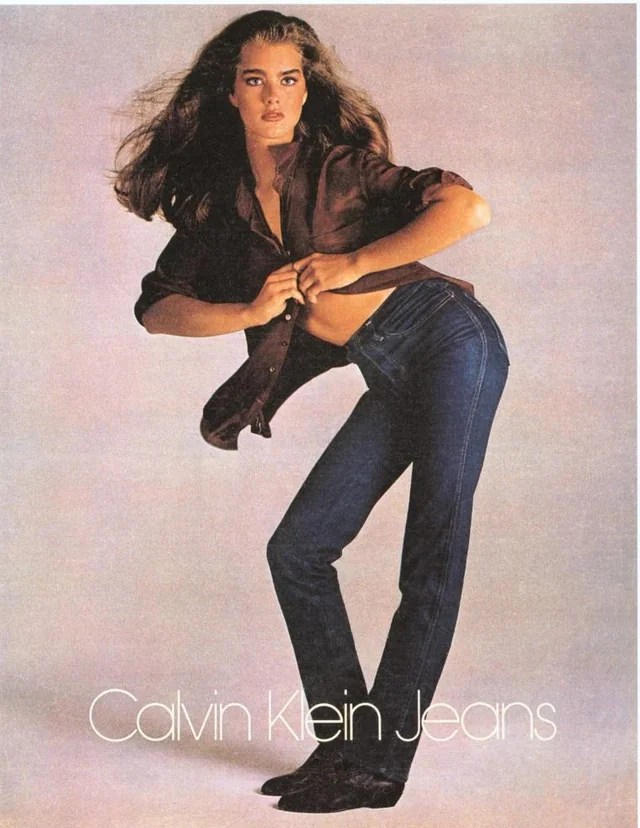
    Description:
    This provocative ad featured a 15-year-old Brooke Shields in form-fitting Calvin Klein jeans saying, “You want to know what comes between me and my Calvins? Nothing.” The sexual undertone drew controversy but cemented Calvin Klein as a provocative, trendsetting brand.

    Objectives:
    The campaign aimed to generate massive brand awareness and spark conversation by pushing societal boundaries, resulting in a sharp spike in sales.

    Target Market:
    Teenagers and young adults looking to make bold fashion statements and embrace edgy, urban styles.

    Call to Action & Benefits:
    Encouraged consumers to wear Calvin Klein jeans to project confidence and sex appeal.

    Value Proposition:
    Calvin Klein jeans were presented as more than just pants—they were a cultural badge of youthful rebellion and fashion-forward thinking.


    2. Apple – “Test Drive a Macintosh” (1984)

    Description:
    Following the iconic “1984” Super Bowl commercial, this print campaign invited users to “test drive a Macintosh” for 24 hours. It highlighted Apple’s revolutionary interface and design, contrasting with the cold, complex systems of competitors.

    Objectives:
    Introduce the Macintosh computer to the public and establish Apple as the user-friendly choice in tech.

    Target Market:
    Tech-forward professionals, creatives, and students seeking innovation.

    Call to Action & Benefits:
    Encouraged readers to visit Apple dealers and try the Mac, promising intuitive usability and cutting-edge design.

    Value Proposition:
    Apple positioned the Macintosh as a personal, accessible computing tool that empowered users to be more productive and creative.


    3. Nike – “Just Do It” (1988)

    Description:
    Nike’s now-iconic slogan debuted with a powerful campaign featuring everyday athletes alongside professionals. “Just Do It” became more than a catchphrase—it was a movement.

    Objectives:
    To emotionally connect with consumers and inspire them to view Nike not just as sportswear, but as a mindset.

    Target Market:
    Everyone from seasoned athletes to people new to fitness—all united by a desire to overcome challenges.

    Call to Action & Benefits:
    Motivated people to take action, try harder, and push through physical or mental boundaries with Nike gear.

    Value Proposition:
    Nike provided the apparel, but the true value was empowerment—the idea that anyone could achieve greatness with the right mindset.


    4. Absolut Vodka – “Absolut Perfection” (1980s)

    Description:
    This minimalist ad showcased the brand’s iconic bottle with a halo above it, paired with the clever tagline “Absolut Perfection.” It was the start of a long-running and wildly successful ad series.

    Objectives:
    To differentiate Absolut in a competitive liquor market through artistic, elegant advertising.

    Target Market:
    Design-conscious, urban drinkers who appreciated creativity and quality.

    Call to Action & Benefits:
    Subtly encouraged consumers to associate Absolut with sophistication and premium taste.

    Value Proposition:
    Absolut positioned itself not just as a vodka, but as a lifestyle brand—clean, clever, and premium.


    5. Got Milk? – Celebrity Milk Mustache Ads (1993)
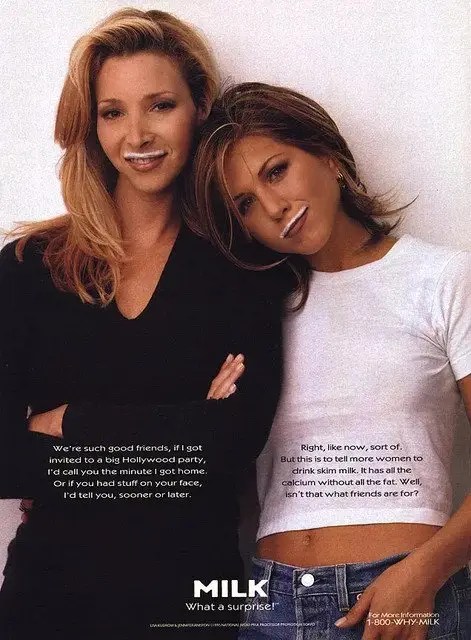
    Description:
    Launched by the California Milk Processor Board, this campaign featured celebrities from sports and entertainment with milk mustaches, along with the question “Got Milk?” It became a pop culture phenomenon.

    Objectives:
    Reverse declining milk sales by making milk consumption appear trendy and essential, especially for growing kids and teens.

    Target Market:
    Parents, kids, teens, and health-conscious consumers.

    Call to Action & Benefits:
    Encouraged people to drink more milk by associating it with bone strength, growth, and celebrity coolness.

    Value Proposition:
    Milk isn’t just healthy—it’s relevant and endorsed by your favorite celebrities.


    Conclusion: The Art of Lasting Impact

    What makes these magazine ads truly iconic isn’t just strong visuals or clever taglines—it’s their ability to emotionally resonate, culturally connect, and drive action. While their tactics varied—from Apple’s invitation to experience something new, to Calvin Klein’s controversy-laden confidence—each ad understood its audience and knew how to make an impression that would outlast the turn of a page.

    They all reflect one golden rule of great advertising: show the consumer who they can be with your product, not just what they can buy. Whether it was milk, denim, sneakers, or software, these five campaigns used magazines not just to advertise—but to inspire, challenge, and influence.
  • From Passion to Purpose: Creating a Value Proposition

    From Passion to Purpose: Creating a Value Proposition

    Why a Value Proposition Matters

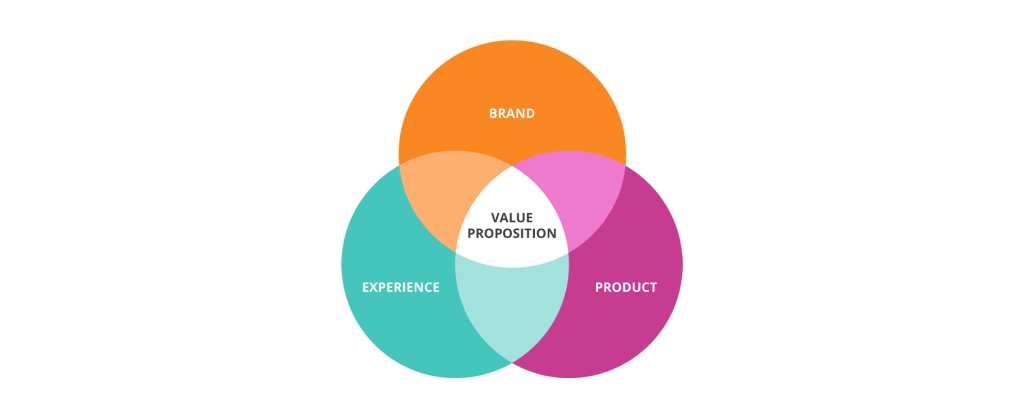
    A value proposition is more than a mission statement—it’s a promise. It explains why someone should engage with your organization and what unique benefit you offer. As the Harvard Business School blog emphasizes, an effective value proposition should be clear, specific, and targeted. It needs to answer the critical question: Why you?

    As I dove into research, I realized just how vital this was—not only for potential donors and adopters but also for volunteers, advocates, and even the dogs we serve.

    How to Write a Strong Value Proposition

    The process of writing a value proposition begins with truly understanding the people you’re trying to reach. Who are they? What do they care about? What problems are they facing—and how does your organization offer a solution? According to Salesforce’s guide to customer value propositions, this clarity only comes from empathy and insight. It’s not about listing features—it’s about identifying the transformation you offer.

    Once you understand your audience, the next step is to articulate your promise in a way that’s compelling, concise, and emotionally resonant. As Help Scout’s examples illustrate, the best value propositions don’t bury the lead. They use plain language, speak to the heart, and often paint a before-and-after picture. This is especially important in the nonprofit world, where you’re not just offering a product—you’re inviting people into a mission.

    I found it helpful to begin with a longer version, breaking down exactly what we do for each key audience. Then, once I had a strong foundation, I refined it down to a shorter message that would be easier to share and remember. This exercise helped me not just clarify my message—but also reconnect with why I started this nonprofit in the first place.

    Where I Started

    I began by outlining a detailed value proposition that spoke to four key audiences we hope to serve:


    The Frosted Face Foundation will be a senior dog sanctuary dedicated to providing love, comfort, and lifelong care to senior dogs who are often overlooked due to age or medical conditions. Our value proposition will speak uniquely to four key groups:

    Forever Foster & Adoptive Families
    We will offer the opportunity to transform a dog’s final chapter—without the financial burden. Forever Fosters will receive ongoing veterinary care and support while welcoming a loving companion into their homes. For adopters of healthier seniors, we will provide transparent medical histories, behavioral insights, and continued guidance.

    Donors & Supporters
    Your contributions will have an immediate, visible impact—funding vet visits, prescription medications, orthopedic beds, and comforting final days for senior dogs who would otherwise be euthanized or forgotten in shelters. Donors will be kept connected to the mission through heartfelt stories, photos, and updates on the dogs they help save.

    Volunteers
    Volunteers will have the opportunity to engage in meaningful, hands-on work with sweet senior pups who truly need them. Whether through dog walking, event support, or administrative help, volunteers will become part of a mission-driven community filled with gratitude, wagging tails, and purpose.

    Advocates & Educators
    We will partner with pet professionals, educators, and content creators to spread the word about the needs of senior dogs—redefining aging pets as wise, loving, and deeply deserving. Advocates will help rewrite the narrative around “unadoptable” dogs, one story at a time.


    While this comprehensive version helped me think deeply about our audience and their needs, I realized that I needed something shorter—something that could serve as a concise, powerful introduction across platforms.

    The Refined Version

    After refining the message and focusing on clarity and emotional connection, I landed on the following:

    The Frosted Face Foundation – Grey Muzzles. Golden Hearts.

    The Frosted Face Foundation will be a safe haven for senior dogs who have lived their lives as loving, loyal companions who still have so much to give. Through our Forever Foster program, we’ll place these deserving dogs with families who see their value, while covering all medical care for life. With the support of a compassionate community, we’ll ensure every frosted face finds connection, comfort, and a place to call home.

    This version feels true to the mission and is simple enough to be used anywhere—from an elevator pitch to a fundraising campaign.

    What I Took Away

    Writing a solid value proposition taught me that clarity is kindness. By taking the time to articulate who we serve, how we do it, and why it matters, I’ve created a foundation that not only guides our messaging—it inspires connection. Whether someone is donating, fostering, volunteering, or advocating, they’ll know exactly how they fit into our story.