Tag: business

  • Iconic Influence: 5 Magazine Ads That Changed Advertising

    Magazine advertisements have long served as cultural mirrors—reflecting shifting trends, tapping into emotions, and even rewriting the rules of consumer behavior. Unlike fleeting digital banners, magazine ads often live on in readers’ minds for years, their glossy layouts and powerful messages leaving lasting impressions.

    Since the 1980s, the advertising industry has produced some of its most provocative, persuasive, and unforgettable work within the pages of fashion, tech, and lifestyle magazines. In this post, we’ll dive into five magazine advertisements that not only grabbed attention but also reshaped the identities of the brands behind them. From scandalous denim slogans to empowering sportswear mantras, these ads didn’t just sell products—they defined eras.


    1. Calvin Klein Jeans – “Nothing Comes Between Me and My Calvins” (1980)

    Description:
    This provocative ad featured a 15-year-old Brooke Shields in form-fitting Calvin Klein jeans saying, “You want to know what comes between me and my Calvins? Nothing.” The sexual undertone drew controversy but cemented Calvin Klein as a provocative, trendsetting brand.

    Objectives:
    The campaign aimed to generate massive brand awareness and spark conversation by pushing societal boundaries, resulting in a sharp spike in sales.

    Target Market:
    Teenagers and young adults looking to make bold fashion statements and embrace edgy, urban styles.

    Call to Action & Benefits:
    Encouraged consumers to wear Calvin Klein jeans to project confidence and sex appeal.

    Value Proposition:
    Calvin Klein jeans were presented as more than just pants—they were a cultural badge of youthful rebellion and fashion-forward thinking.


    2. Apple – “Test Drive a Macintosh” (1984)

    Description:
    Following the iconic “1984” Super Bowl commercial, this print campaign invited users to “test drive a Macintosh” for 24 hours. It highlighted Apple’s revolutionary interface and design, contrasting with the cold, complex systems of competitors.

    Objectives:
    Introduce the Macintosh computer to the public and establish Apple as the user-friendly choice in tech.

    Target Market:
    Tech-forward professionals, creatives, and students seeking innovation.

    Call to Action & Benefits:
    Encouraged readers to visit Apple dealers and try the Mac, promising intuitive usability and cutting-edge design.

    Value Proposition:
    Apple positioned the Macintosh as a personal, accessible computing tool that empowered users to be more productive and creative.


    3. Nike – “Just Do It” (1988)

    Description:
    Nike’s now-iconic slogan debuted with a powerful campaign featuring everyday athletes alongside professionals. “Just Do It” became more than a catchphrase—it was a movement.

    Objectives:
    To emotionally connect with consumers and inspire them to view Nike not just as sportswear, but as a mindset.

    Target Market:
    Everyone from seasoned athletes to people new to fitness—all united by a desire to overcome challenges.

    Call to Action & Benefits:
    Motivated people to take action, try harder, and push through physical or mental boundaries with Nike gear.

    Value Proposition:
    Nike provided the apparel, but the true value was empowerment—the idea that anyone could achieve greatness with the right mindset.


    4. Absolut Vodka – “Absolut Perfection” (1980s)

    Description:
    This minimalist ad showcased the brand’s iconic bottle with a halo above it, paired with the clever tagline “Absolut Perfection.” It was the start of a long-running and wildly successful ad series.

    Objectives:
    To differentiate Absolut in a competitive liquor market through artistic, elegant advertising.

    Target Market:
    Design-conscious, urban drinkers who appreciated creativity and quality.

    Call to Action & Benefits:
    Subtly encouraged consumers to associate Absolut with sophistication and premium taste.

    Value Proposition:
    Absolut positioned itself not just as a vodka, but as a lifestyle brand—clean, clever, and premium.


    5. Got Milk? – Celebrity Milk Mustache Ads (1993)

    Description:
    Launched by the California Milk Processor Board, this campaign featured celebrities from sports and entertainment with milk mustaches, along with the question “Got Milk?” It became a pop culture phenomenon.

    Objectives:
    Reverse declining milk sales by making milk consumption appear trendy and essential, especially for growing kids and teens.

    Target Market:
    Parents, kids, teens, and health-conscious consumers.

    Call to Action & Benefits:
    Encouraged people to drink more milk by associating it with bone strength, growth, and celebrity coolness.

    Value Proposition:
    Milk isn’t just healthy—it’s relevant and endorsed by your favorite celebrities.


    Conclusion: The Art of Lasting Impact

    What makes these magazine ads truly iconic isn’t just strong visuals or clever taglines—it’s their ability to emotionally resonate, culturally connect, and drive action. While their tactics varied—from Apple’s invitation to experience something new, to Calvin Klein’s controversy-laden confidence—each ad understood its audience and knew how to make an impression that would outlast the turn of a page.

    They all reflect one golden rule of great advertising: show the consumer who they can be with your product, not just what they can buy. Whether it was milk, denim, sneakers, or software, these five campaigns used magazines not just to advertise—but to inspire, challenge, and influence.

  • Five Influential Newspaper Advertisements That Changed the Game

    Newspaper advertisements have long been a powerful force in shaping public opinion, selling products, and even mobilizing nations. Before the rise of television, the internet, and social media, newspapers were the go-to medium for reaching a broad audience. With their visual impact and carefully crafted messaging, newspaper ads have the unique ability to evoke emotion, shift cultural norms, and drive real action—all on a single printed page. In this post, we’ll explore five of the most influential newspaper advertisements of all time, analyzing what made them effective, who they were targeting, and what actions they inspired.


    1. De Beers: “A Diamond is Forever” (1947)

    Description:
    This iconic De Beers ad featured an elegant black-and-white photo of a couple, anchored by the unforgettable line, “A Diamond is Forever.” The emotional appeal here is clear: enduring love. It tapped into the universal desire for lasting connection, making the diamond ring the ultimate symbol of commitment.

    Objectives:
    The goal was to increase diamond sales by cementing the tradition of diamond engagement rings in American culture. The objective was clear, long-term, and measurable—sales skyrocketed, and the tradition took hold.

    Target Market:
    Young couples, particularly men preparing to propose. The ad sought to influence not only individuals but an entire cultural expectation.

    Call to Action & Benefits:
    Buy a diamond engagement ring to express your love. For women, receiving one signified being deeply cherished. The benefit was emotional and symbolic more than practical.

    Value Proposition:
    Diamonds are rare, beautiful, and enduring—just like true love. The ad positioned the product as not just a luxury, but a necessity in modern romance.


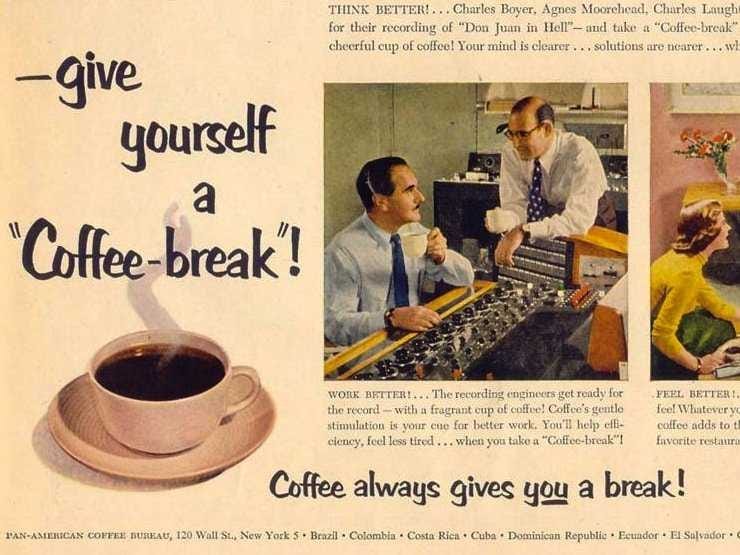
    2. Pan American Coffee Bureau: “Give Yourself a Coffee-Break” (1952)

    Description:
    This cheerful ad encouraged workers to “Give Yourself a Coffee-Break,” showing upbeat office scenes of people enjoying a midday caffeine pick-me-up. The emotional appeal focused on comfort, productivity, and a sense of reward.

    Objectives:
    To boost national coffee consumption by embedding the idea of a workplace coffee break into daily routine. The goal was behavioral and measurable—get more people to drink more coffee, more often.

    Target Market:
    Office workers and employers. The campaign especially targeted white-collar environments where scheduled breaks could become institutionalized.

    Call to Action & Benefits:
    Encourage taking a mid-morning or afternoon coffee break. Workers benefited from increased alertness and social bonding. Employers got more refreshed, productive employees.

    Value Proposition:
    Coffee isn’t just a drink—it’s fuel for productivity and a necessary pause in the day to recharge mentally and physically.


    3. Volkswagen: “Think Small” (1959)

    Description:
    A clean, minimalistic design featuring a tiny Volkswagen Beetle in a sea of white space. The message? “Think Small.” This ad flipped the narrative of what a car should be and evoked trust through humility and logic.

    Objectives:
    To build brand awareness and boost U.S. sales by positioning the Beetle as a smarter alternative to bulky American cars. The campaign was measurable in sales and brand recognition.

    Target Market:
    Pragmatic, value-driven consumers—often younger, urban, and less status-oriented. The ad appealed to those who thought differently about cars and life.

    Call to Action & Benefits:
    Buy a Beetle. The benefit? Affordability, fuel efficiency, reliability, and ease of use. It made driving practical, not showy.

    Value Proposition:
    The Beetle offered a more rational, budget-conscious, and dependable driving experience at a time when bigger was assumed to be better.


    4. Winston Cigarettes: “Winston Tastes Good Like a Cigarette Should” (1954–1972)

    Description:
    With its catchy (and grammatically controversial) slogan, this ad featured smiling people enjoying Winston cigarettes. The emotional appeal was based on pleasure, satisfaction, and rebellious familiarity.

    Objectives:
    To increase brand loyalty and market share by associating Winston with superior taste. It aimed to stand out in a crowded cigarette market through repetition and cultural stickiness.

    Target Market:
    Adult smokers of all genders, particularly those looking for a “better-tasting” cigarette and perhaps enjoying the brand’s slightly rebellious attitude.

    Call to Action & Benefits:
    Buy Winston cigarettes. The benefit was a smoother, more satisfying smoke—framed as the standard by which all cigarettes should be judged.

    Value Proposition:
    Taste is the key differentiator. If you want a cigarette that delivers flavor and satisfaction, Winston is it.


    5. Lord Kitchener: “Your Country Needs You” (1914)

    Description:
    This British WWI recruitment ad used a simple but powerful image: Lord Kitchener pointing at the reader with the message “Your Country Needs YOU.” The emotional appeal was duty, nationalism, and urgency.

    Objectives:
    To increase enlistment in the British Army during the early days of World War I. The ad was short-term and very measurable based on recruitment numbers.

    Target Market:
    Able-bodied British men, particularly those of military age, who felt a sense of patriotic obligation or social pressure.

    Call to Action & Benefits:
    Enlist in the army. Benefits were framed in honor and heroism—serving the country was a noble act that brought prestige and personal fulfillment.

    Value Proposition:
    Joining the military was portrayed as both a responsibility and a privilege. It allowed men to be part of something greater than themselves.


    Conclusion: What Makes These Ads Effective?

    While these five ads span vastly different industries and decades—from diamonds to cigarettes to war—they share some powerful similarities:

    • Emotional Connection: Each ad tapped into deep emotional themes—love, duty, pride, rebellion, or productivity.
    • Cultural Timing: They were all perfectly timed to meet (or create) a cultural moment—whether it was a post-war marriage boom, a wartime crisis, or the rise of office culture.
    • Clear Messaging: None of these ads were subtle. They each had a straightforward message and an obvious next step for the consumer or citizen.
    • Memorable Language or Imagery: Whether it was a catchy slogan, a striking visual, or a clever reversal of norms, they stuck in the public consciousness.

    Yet, the differences are just as telling. Some ads relied on fear or duty (Lord Kitchener), while others used lifestyle aspiration (De Beers) or logic (Volkswagen). This diversity shows that effective advertising doesn’t follow a single formula—it’s about understanding your audience, the cultural context, and the emotional levers that move people to action.

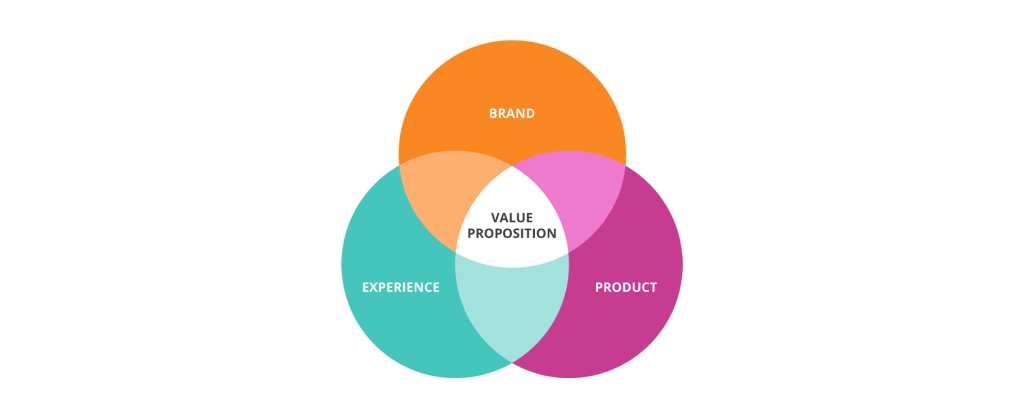
  • From Passion to Purpose: Creating a Value Proposition

    From Passion to Purpose: Creating a Value Proposition

    Why a Value Proposition Matters

    A value proposition is more than a mission statement—it’s a promise. It explains why someone should engage with your organization and what unique benefit you offer. As the Harvard Business School blog emphasizes, an effective value proposition should be clear, specific, and targeted. It needs to answer the critical question: Why you?

    As I dove into research, I realized just how vital this was—not only for potential donors and adopters but also for volunteers, advocates, and even the dogs we serve.

    How to Write a Strong Value Proposition

    The process of writing a value proposition begins with truly understanding the people you’re trying to reach. Who are they? What do they care about? What problems are they facing—and how does your organization offer a solution? According to Salesforce’s guide to customer value propositions, this clarity only comes from empathy and insight. It’s not about listing features—it’s about identifying the transformation you offer.

    Once you understand your audience, the next step is to articulate your promise in a way that’s compelling, concise, and emotionally resonant. As Help Scout’s examples illustrate, the best value propositions don’t bury the lead. They use plain language, speak to the heart, and often paint a before-and-after picture. This is especially important in the nonprofit world, where you’re not just offering a product—you’re inviting people into a mission.

    I found it helpful to begin with a longer version, breaking down exactly what we do for each key audience. Then, once I had a strong foundation, I refined it down to a shorter message that would be easier to share and remember. This exercise helped me not just clarify my message—but also reconnect with why I started this nonprofit in the first place.

    Where I Started

    I began by outlining a detailed value proposition that spoke to four key audiences we hope to serve:


    The Frosted Face Foundation will be a senior dog sanctuary dedicated to providing love, comfort, and lifelong care to senior dogs who are often overlooked due to age or medical conditions. Our value proposition will speak uniquely to four key groups:

    Forever Foster & Adoptive Families
    We will offer the opportunity to transform a dog’s final chapter—without the financial burden. Forever Fosters will receive ongoing veterinary care and support while welcoming a loving companion into their homes. For adopters of healthier seniors, we will provide transparent medical histories, behavioral insights, and continued guidance.

    Donors & Supporters
    Your contributions will have an immediate, visible impact—funding vet visits, prescription medications, orthopedic beds, and comforting final days for senior dogs who would otherwise be euthanized or forgotten in shelters. Donors will be kept connected to the mission through heartfelt stories, photos, and updates on the dogs they help save.

    Volunteers
    Volunteers will have the opportunity to engage in meaningful, hands-on work with sweet senior pups who truly need them. Whether through dog walking, event support, or administrative help, volunteers will become part of a mission-driven community filled with gratitude, wagging tails, and purpose.

    Advocates & Educators
    We will partner with pet professionals, educators, and content creators to spread the word about the needs of senior dogs—redefining aging pets as wise, loving, and deeply deserving. Advocates will help rewrite the narrative around “unadoptable” dogs, one story at a time.


    While this comprehensive version helped me think deeply about our audience and their needs, I realized that I needed something shorter—something that could serve as a concise, powerful introduction across platforms.

    The Refined Version

    After refining the message and focusing on clarity and emotional connection, I landed on the following:

    The Frosted Face Foundation – Grey Muzzles. Golden Hearts.

    The Frosted Face Foundation will be a safe haven for senior dogs who have lived their lives as loving, loyal companions who still have so much to give. Through our Forever Foster program, we’ll place these deserving dogs with families who see their value, while covering all medical care for life. With the support of a compassionate community, we’ll ensure every frosted face finds connection, comfort, and a place to call home.

    This version feels true to the mission and is simple enough to be used anywhere—from an elevator pitch to a fundraising campaign.

    What I Took Away

    Writing a solid value proposition taught me that clarity is kindness. By taking the time to articulate who we serve, how we do it, and why it matters, I’ve created a foundation that not only guides our messaging—it inspires connection. Whether someone is donating, fostering, volunteering, or advocating, they’ll know exactly how they fit into our story.

  • The Most Common Mistakes Nonprofit Startups Make—and How to Avoid Them

    The Most Common Mistakes Nonprofit Startups Make—and How to Avoid Them

    Starting a nonprofit is an exciting endeavor, but it’s also one that comes with unique challenges. Many passionate changemakers dive in headfirst with heart, vision, and commitment—only to find themselves facing roadblocks that could have been avoided with a little guidance. If you’re thinking about launching a nonprofit or are in the early stages, here are some of the most common pitfalls new organizations face—and how to steer clear of them.

    1. Lack of Clear Mission and Focus

    One of the biggest mistakes new nonprofits make is trying to do too much, too fast. Without a clear, focused mission, it becomes difficult to communicate your purpose, attract supporters, or measure impact.

    According to Charitable Allies, nonprofits often fail because they are “trying to help too many people in too many ways” without a well-defined target audience or outcome Charitable Allies. A tight, specific mission builds a strong foundation and makes decision-making easier.

    2. Not Understanding the Business Side of a Nonprofit

    A nonprofit is still a business—it just has a different tax status. Many founders underestimate the importance of having a solid operational plan, budget, and revenue strategy. As 501c3.org points out, nonprofits that don’t focus on sustainability and financial planning often find themselves struggling to survive 501c3.org.

    Jennifer Yarbrough adds that founders sometimes assume grants will immediately flow in, which leads to a lack of income diversity and poor financial forecasting LinkedIn.

    3. Failing to Build a Strong Board

    Many new nonprofits either treat the board like a formality or fill it with friends and family who may not be the best strategic partners. A nonprofit’s board is not just a legal requirement—it’s a governance and leadership team.

    Amber Melville Smith learned the hard way that having an unengaged board can hinder an organization’s growth. “You need a board of directors who are willing to fundraise, network, and be active champions of your cause,” she writes Medium.

    4. Neglecting Marketing and Storytelling

    Many founders believe that doing good will naturally attract attention—but in reality, people need to hear your story to care about your work. As Blue Avocado notes, not investing in strong communication strategies can limit outreach, support, and funding Blue Avocado.

    Take time to clarify your message, build a recognizable brand, and use social media and newsletters to share stories and results. It’s not about bragging—it’s about connecting.

    See my post on The Importance of Professional Marketing for New Entrepreneurial Organizations.

    5. Trying to Do Everything Alone

    Nonprofit founders are often visionaries, but that doesn’t mean they should be solo operators. Whether it’s managing the budget, writing grants, or running programs, doing everything alone leads to burnout and bottlenecks.

    Building a team of passionate, skilled people—volunteers, staff, or advisors—is crucial. As Jennifer Yarbrough emphasizes, collaboration and delegation are necessary for growth LinkedIn.


    Nonprofits have the power to transform lives and communities—but to thrive, they need more than heart. By staying focused, building the right team, and operating with sustainability in mind, you’ll increase your impact and avoid the traps that cause many nonprofits to stall early on.

    Resources Referenced:

    Biggest Mistakes New Nonprofits Make – Blue Avocado

    The Five Biggest Mistakes Nonprofits Make That Limit Their Effectiveness – 501c3.org

    7 Mistakes I Made Starting a Nonprofit – Amber Melville Smith on Medium

    Common Mistakes Nonprofit Startups Make – Jennifer Yarbrough on LinkedIn

    Top 3 Mistakes New Nonprofits Make – Charitable Allies

  • Beyond Business: How Entrepreneurial Thinking Drives Success in Higher Education

    Beyond Business: How Entrepreneurial Thinking Drives Success in Higher Education

    Entrepreneurship isn’t just about starting a business—it’s a way of thinking that drives innovation and problem-solving across all industries. Whether in higher education, corporate leadership, or community development, entrepreneurial thinking empowers individuals to adapt, take initiative, and create meaningful change.

    To explore this idea further, I had the opportunity to interview Freddy Euceda-Colindres, an Assistant Grants Administrator at Vance-Granville Community College and fellow Masters Student at Western Carolina University. Through her work in higher education, Freddy has seen firsthand how innovation and leadership play a crucial role in shaping opportunities for students and faculty alike. In our conversation, she shared her personal journey, pivotal career moments, and insights on fostering an entrepreneurial mindset within academic institutions.

    What inspired you to pursue a Master of Innovation Leadership and Entrepreneurship?

    My current job! I am an assistant grants administrator at a local community college in NC. Through this job I have been exposed to all things leadership and innovation given that we are a part of the college’s foundation. I want to be a better team member and one day be a leader in higher education. I thought this degree would be perfect to give me that foundational knowledge.

    Can you share a pivotal moment in your career that solidified your passion for innovation and leadership?

    Being selected to be part of the “innovators group” was a pivotal moment for me! At the time, I was in the financial aid department and I didn’t even realize that others saw qualities of an innovator or leader in me. It was that “wow” moment where I took a step back and thought about what my future career could look like!

    How do you define entrepreneurial thinking, and how has it shaped your approach to leadership?

    Great question! I think entrepreneurial thinking is about spotting opportunities, taking risks, and innovating to create value. It encourages a growth mindset, adaptability, and creativity. In leadership, this mindset has shaped my approach by promoting innovation, collaboration, and resilience. I am actively trying to foster a culture where taking initiative, embracing change, and learning from setbacks is known to lead to continuous improvement and success! After all, this isn’t a linear process and ups and downs can be expected.

    What qualities do you believe are most important for an entrepreneur to develop in today’s fast-changing business landscape?

    I believe flexibility and the ability to pivot are crucial qualities for entrepreneurs in today’s fast-changing business landscape. The market and technology evolve quickly, and being adaptable allows entrepreneurs to seize new opportunities, overcome challenges, and stay relevant. Alongside flexibility, having a strong sense of resilience, creativity, and a willingness to learn continuously helps entrepreneurs navigate uncertainty and drive innovation.

    Have you had any personal entrepreneurial ventures, or do you plan to start one in the future?

    I haven’t personally had any entrepreneurial ventures yet, but in my line of work, I frequently interact with entrepreneurs. I want to gain more knowledge in this area to better understand their journeys, challenges, and successes. This will help me connect with them more effectively and offer valuable insights in the future.

    Why do you believe higher education plays a key role in fostering entrepreneurship?

    I believe higher education plays a key role in fostering entrepreneurship because it serves as the cornerstone for success. It provides the foundational knowledge, skills, and critical thinking abilities that future leaders and entrepreneurs need. Universities and Community Colleges are stepping stones that equip individuals with the tools to navigate challenges, innovate, and build successful ventures, ultimately helping them reach the top in their entrepreneurial journeys.

    What are some of the biggest challenges universities face in encouraging entrepreneurial thinking among students and faculty?

    From what I have gathered, one of the biggest challenges universities face in encouraging entrepreneurial thinking is the traditional mindset and structure that often prioritizes academic theory over practical application. Many institutions may lack sufficient resources or support systems to foster hands-on, real-world entrepreneurial experiences. Overcoming these challenges requires creating a culture that values innovation, provides access to mentorship, and encourages collaboration between students, faculty, and the business community.

    How do you see the intersection of innovation and education evolving over the next 5-10 years?

    Over the next 5-10 years, I see the intersection of innovation and education evolving through greater integration of technology, personalized learning, and real-world application. Advancements in AI, virtual learning, and immersive technologies like AR/VR will reshape how students engage with content, making education more interactive and tailored to individual needs. Additionally, collaboration between academic institutions and industries will increase, offering students hands-on experience and exposure to current trends. This evolution will foster a more dynamic learning environment that prepares students for the fast-paced, ever-changing demands of the modern workforce.

    What has been one of the biggest challenges you’ve faced in your academic or professional journey, and how did you overcome it?

    One of the biggest challenges I’ve faced in my academic journey is being a first-generation college student. Since no one in my family had experience with higher education, everything was new to me. I had to take the initiative to ask questions, do my own research, and take chances to navigate the process. It wasn’t easy, but by being proactive, seeking out resources, and learning through trial and error, I was able to overcome these challenges and continue moving forward.

    Can you share an example of a failure or setback that turned into a valuable learning experience?

    A setback I experienced was when I applied to a four-year university straight out of high school and wasn’t accepted. Initially, I felt disappointed, but I later realized I was relieved because it wasn’t the path I truly wanted to take. I had applied because my counselors pushed me, even though I knew I wanted to go to community college—mainly because I didn’t have the financial means to attend a four-year school, even with scholarships. The lesson I learned was not to waste time pursuing things you don’t truly want. It taught me to be vocal about my goals and seek out people who would support and guide me in the right direction.

    What impact do you hope to make in the field of entrepreneurship and innovation leadership?

    In the field of entrepreneurship and innovation leadership, I hope to make an impact by investing in others and helping them grow. I believe the best thing a leader can do is focus on building other leaders. Success isn’t truly meaningful if there isn’t a strong group to carry it forward. By empowering and mentoring the next generation of entrepreneurs, I aim to create a lasting legacy that extends beyond my own achievements.

    If you could implement one major change in higher education to better support entrepreneurs, what would it be?

    If I could implement one major change in higher education to better support entrepreneurs, it would be to create more opportunities for hands-on, real-world experience. This could include more partnerships with businesses, internships, and startup incubators within the university. By providing students with practical exposure to the entrepreneurial process, from idea development to execution, we would give them the tools, confidence, and networks needed to succeed in the entrepreneurial world.

    This conversation highlighted the many ways entrepreneurship extends beyond business ownership and into leadership, education, and professional growth. The insights shared reinforce the importance of adaptability, continuous learning, and fostering an environment where creativity and initiative can thrive. As we move forward in our own careers, it’s worth considering how we can apply these entrepreneurial principles to drive innovation in our own fields. Whether through leading teams, shaping policies, or mentoring future leaders, the entrepreneurial mindset remains a powerful tool for success.

    Thank you Freddy!