The Power of Cause-Driven Radio Ads: Lessons for Advocacy and Awareness


In a world saturated with advertising, cause-driven campaigns stand out by appealing to the heart rather than the wallet. Unlike commercial ads selling products, these messages advocate for change, inspire action, and raise awareness for issues that might otherwise go unnoticed.

As someone looking to develop outreach strategies for a senior dog sanctuary, I wanted to explore award-winning radio advertisements from nonprofits and advocacy groups. Their techniques—evoking emotion, creating urgency, and driving audience action—are directly applicable to spreading awareness about senior pet adoption and sanctuary needs. Below, I analyze five Radio Mercury Award-winning ads that effectively used storytelling, irony, and shock value to achieve their goals.
  1. “I’m Going to Die” – The Humane Society (2014)
    🎧 Listen to the Ad

Ad Description & Emotional Appeal:
This ad presents the harsh reality of pet euthanasia from the perspective of an animal in a shelter. The pet’s voice is calm, resigned, and heartbreakingly matter-of-fact, making it clear that this is a routine occurrence rather than an isolated tragedy. The emotion comes not from dramatic pleas but from the simplicity of the message—these deaths happen because no one chooses to stop them.

Objectives of the Ad Campaign:
The campaign’s goal is to increase pet adoptions by making the issue feel personal and urgent. The Humane Society wants listeners to feel the weight of their potential inaction, driving them to visit shelters before it’s too late. Measuring success would include increased adoption rates and greater awareness of shelter euthanasia.

Target Market:
The ad targets animal lovers, potential pet adopters, and families considering a pet. It also appeals to those unaware of euthanasia rates, encouraging them to act out of empathy.

Call to Action & Expected Benefit:
Listeners are urged to adopt from The Humane Society, directly saving lives and gaining a loving, grateful pet in the process. The benefit extends beyond the adopter, as every adoption reduces overcrowding in shelters.

Value Proposition:
The Humane Society provides healthy, adoptable animals that need homes. Adoption is framed as an act of rescue, not just acquiring a pet.
  1. “The Vow” – National Coalition Against Domestic Violence (2012)
    🎧 Listen to the Ad

Ad Description & Emotional Appeal:
This ad takes the familiar setting of a wedding and flips it into a disturbing revelation of domestic abuse. The traditional vows are replaced with promises of control, harm, and emotional subjugation. The unexpected shift forces listeners to confront the hidden reality of abusive relationships, making it clear that for many, marriage is not a promise of love, but a life sentence of suffering.

Objectives of the Ad Campaign:
The ad aims to raise awareness about the prevalence of domestic violence and encourage victims and bystanders to take action. By presenting abuse in such a stark manner, it challenges the misconception that domestic violence is rare or only affects certain groups. Success is measured through increased website visits, hotline calls, and public discussion on domestic abuse.

Target Market:
The primary audience includes victims of domestic abuse, as well as friends, family, and the general public who might intervene. It also speaks to policymakers and advocacy groups working to improve protections for victims.

Call to Action & Expected Benefit:
Listeners are directed to NCADV.org to learn more about domestic violence resources. For victims, this means access to support networks, legal guidance, and safety planning. For others, it provides education on recognizing abuse and ways to help.

Value Proposition:
The National Coalition Against Domestic Violence offers critical resources, advocacy, and education to help victims escape dangerous situations and create a safer society.

  1. “Thoughts and Prayers” – Sandy Hook Promise (2018)
    🎧 Listen to the Ad

Ad Description & Emotional Appeal:
The ad mimics a news report from the scene of a school shooting before it happens, presenting a chilling sense of inevitability. The young student’s statement about playing dead forces the audience to experience a child’s preemptive survival strategy, something no child should ever have to consider. The closing line about officials offering “thoughts and prayers” highlights the lack of action in preventing gun violence, making inaction feel like a failure rather than sympathy.

Objectives of the Ad Campaign:
Sandy Hook Promise seeks to move the public from passive reactions to proactive prevention by educating people on the warning signs of potential school shooters. The goal is to increase awareness and participation in violence prevention programs. Success is measured by increased website visits, program sign-ups, and changes in public attitudes toward gun safety.

Target Market:
This ad speaks to parents, teachers, students, and lawmakers—anyone with a stake in preventing school shootings. It also appeals to the general public, urging them to demand better policies and prevention efforts.

Call to Action & Expected Benefit:
Listeners are encouraged to visit SandyHookPromise.org to learn how to recognize warning signs of potential shooters. The benefit is clear: lives can be saved through early intervention and education.

Value Proposition:
Sandy Hook Promise provides research-based training and advocacy to prevent gun violence before it happens.

  1. “James” – (2008)
    🎧 Listen to the Ad

Ad Description & Emotional Appeal:
This ad exposes a glaring contradiction in U.S. laws by listing everything a convicted felon cannot legally do—vote, buy alcohol, enlist in the military—before revealing that he was able to buy a gun with no background check. The logic-driven approach shocks listeners into outrage, making the need for reform seem obvious.

Objectives of the Ad Campaign:
The goal is to advocate for universal background checks on firearm sales, closing dangerous loopholes. The campaign measures success through public support for legislative action and increased awareness of gun law inconsistencies.

Target Market:
This ad appeals to voters, policymakers, and individuals concerned with public safety. It targets those who may not have realized how easy it is for dangerous individuals to obtain firearms.

Call to Action & Expected Benefit:
Listeners are urged to support background check legislation, which would reduce firearm access for criminals and enhance public safety.

Value Proposition:
Protect Minnesota promotes common-sense gun laws that prioritize safety without infringing on responsible gun ownership.
5. “Choose” – Veterans Day Parade (2011)
🎧 Listen to the Ad

Ad Description & Emotional Appeal:
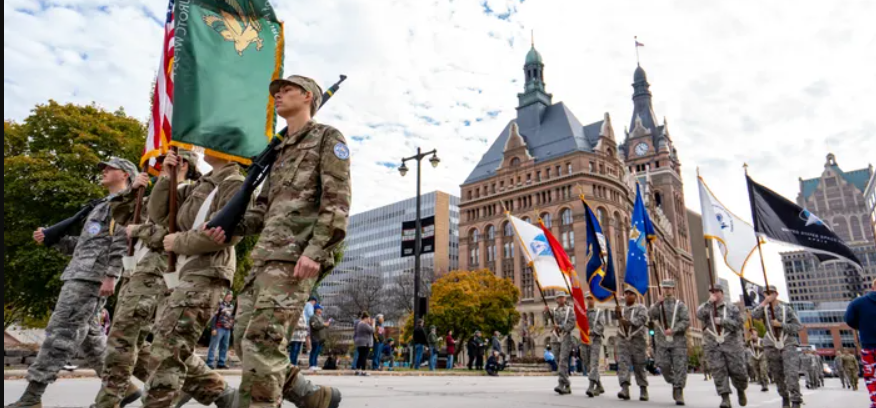
This ad walks listeners through a morning filled with personal choices—from waking up in a chosen home to picking a route downtown. It then shifts the focus to remind listeners that these freedoms exist because of those who served in the military. The subtle but powerful delivery makes people reflect on their daily privileges and appreciate those who fought for them.

Objectives of the Ad Campaign:
The primary goal is to increase attendance at the Veterans Day Parade while reinforcing a sense of national appreciation for veterans. Success is measured through attendance numbers, public engagement, and media coverage of the parade.

Target Market:
This ad speaks to families, military supporters, and patriotic individuals who value civic engagement and honoring veterans.

Call to Action & Expected Benefit:
Listeners are encouraged to attend the parade as an act of gratitude, ensuring veterans feel recognized and appreciated.

Value Proposition:
The Veterans Day Parade offers a chance to honor those who served and participate in a meaningful community event.

Final Thoughts: I chose these ads because their methods of emotional appeal, shock value, and persuasive storytelling align with the kind of messaging needed for a senior dog sanctuary. Unlike traditional adoption ads that focus on puppies, campaigns for senior dogs must overcome the stigma of age, health concerns, and perceived lack of vitality.

Comments

13 responses to “The Power of Cause-Driven Radio Ads: Lessons for Advocacy and Awareness”

  1. Adam Symonds Avatar
    Adam Symonds

    Casey,

    I think this ad did a great job walking the listeners through a day of personal choices; doing so in what appeared to be an exaggerated and slightly humorous process, from my take. I agree that it was subtle and very powerful with its delivery. I fully agree with you that the primary message of this ad was to increase attendance for the Veterans Day parade and possibly even just remind people, we live the life we want due to our military’s history. The best way to measure this ad’s performance is in attendance, or viewership if on local media.

    I think you nailed it. This ad certainly speaks to families, military supporters, and patriotic individuals who value civic engagement and honoring veterans. This ad is also encouraging those listeners to pay homage and tribute to those “local” veterans by showing up to the parade. I think you analyzed all of the parts to this ad, exactly as I have, so I’d like to think you’re spot on with everything you mentioned. But for further engagement, how far out and frequently do you think this ad should have been published to maximize ROI?

    Like

    1. Casey McCully Avatar

      Hey Adam,

      Thanks for taking the time to read and share your thoughts! I think the radio ad should have started at least six weeks out since families usually plan ahead for community events. Gradually increasing the frequency, with 3-5 daily placements in the last two weeks, would have helped keep it on people’s radar. A final push during morning and evening commutes in the last week would’ve been a great way to reach parents and families when they’re most engaged.

      I also think they really drove home the idea of choice in a way that was almost funny. But I couldn’t help but laugh at how the ad basically implied that every single personal choice we have is thanks to the military—a pretty big claim -And then saying the way to repay that is by going to the parade felt a little random in comparison.

      Like

  2. Fredesvinda Colindres Avatar
    Fredesvinda Colindres

    Hi Casey,

    I completely agree with your analysis of the Humane Society Ad! These type of ads are incredibly powerful in their simplicity and emotional appeal. The calm, resigned tone of the animal hits home because it strips away all the dramatization and leaves us with the raw reality of the situation—this is happening every day to countless pets who never get a chance to find a home. It’s a stark reminder of how urgent the issue is.

    I also think of Sarah McLachlan’s SPCA ads, which had a similar emotional impact, especially the use of music paired with heartbreaking images. The way these campaigns are designed makes it difficult to ignore the responsibility we all have in helping reduce shelter overcrowding and preventing euthanasia.

    It would be so interesting to see statistics on the effectiveness of these types of emotional campaigns. From my understanding, campaigns that tap into empathy and the sense of guilt can lead to increased adoption rates, but having hard data would really help quantify their success. It would be nice to know how much of an impact these ads have on awareness and adoption, as it’s such an important cause.

    It’s a reminder that even small actions—like adopting, donating, or spreading the word—can make a huge difference for these animals.

    Like

    1. Casey McCully Avatar

      Hi! Thank you so much for your thoughtful response—I completely agree with everything you said. The “Arms of an Angel” ad was actually the very first one that came to mind when I learned we’d be analyzing advertisements. Its emotional impact is so strong, and like you mentioned, the combination of music and imagery makes it almost impossible to ignore. I think what makes these ads so effective is exactly what you pointed out—their simplicity and rawness leave a lasting impression. It would be fascinating to see the data on their actual impact, especially in terms of adoption rates and donations. Even if it’s hard to measure, the awareness they raise is undeniable and so important for encouraging even small acts of compassion.

      Like

  3. Samantha Ellithorpe Avatar

    Hi Casey,

    I really enjoyed listening to the advocacy and awareness ads you shared! It’s fascinating how ads can take on so many different tones. Some are funny and lighthearted, while others are deeply emotional and serious. Each approach serves a purpose, draws people in, and makes the message resonate in unique ways.

    As we’ve seen across our websites, ads have the power to meet people where they are, whether through humor, nostalgia, or raw emotion. As you’ve demonstrated, advertisements don’t have to be about selling products or services; they can also educate, raise awareness, and save lives. A well-crafted ad can stick with us long after we hear it and influence our thoughts and actions in meaningful ways.

    I appreciate how the NCADV ad on domestic abuse doesn’t just speak to victims; it also educates the broader community. While we may not be victims of domestic abuse ourselves, these ads help us recognize warning signs, understand the impact, and become aware of resources available to those in need. This awareness is crucial because we might one day find ourselves in a position to help someone in our social circles who is experiencing abuse. By spreading these messages, ads empower those directly affected and those who can offer support.

    Great job curating these examples! It’s a reminder of how impactful messaging can be when tailored to the audience and the cause it supports.

    Like

    1. Casey McCully Avatar

      Thank you so much for your kind words and thoughtful reflections! I completely agree—ads have an incredible ability to connect with people on different emotional levels and create lasting impact, especially when used to raise awareness and drive change. It’s powerful to see how intentional messaging can not only educate but also mobilize communities to support one another.

      Like

  4. Aamiya Smith Avatar
    Aamiya Smith

    Hey Casey!

    Your post provides a compelling analysis of how cause-driven radio ads harness emotion storytelling to drive meaningful action. I appreciate how you connected these award-winning ads to your own outreach goals for a senior dog sanctuary—highlighting the importance of shifting perceptions and inspiring change for the cause. The breakdown of each ad’s emotional appeal, objectives, and value proposition was thorough and insightful. Your discussion on overcoming the stigma surrounding senior pet adoption is particularly thought-provoking. I’d love to hear more about how you plan to incorporate these techniques into your own efforts. Do you envision using similar storytelling or irony to challenge misconceptions about older pets?

    Like

    1. Casey McCully Avatar

      Hey, thank you so much! I really appreciate your thoughtful feedback. I definitely plan to incorporate emotional storytelling into outreach for the senior dog sanctuary—especially stories that highlight the unique bonds people form with older pets. I think leaning into warmth, humor, and even a little irony could be really effective in challenging the misconception that senior dogs are “less than.” For example, I’ve thought about framing older dogs as low-maintenance roommates or wise companions who’ve already lived through their “chew everything” phase. I’d love to create short audio spots or social snippets that tell those stories in a way that’s both heartwarming and memorable.

      Like

  5. Jeff McDaniel Avatar
    Jeff McDaniel

    Hi Casey, I enjoyed reading your analysis of the radio commercials! You did a great job breaking down each ad and addressing the key elements. I also liked the variety of ads you chose; they provided different approaches to radio advertising, from humor to cause-driven messages. The cause-driven ads stood out to me because they demonstrate how radio can be used for selling but also advocacy and awareness. Overall, your analysis was comprehensive and engaging.

    Like

    1. Casey McCully Avatar

      Thanks so much—I’m glad you enjoyed it! I wanted to show a range of styles, so I’m happy the variety came through. I totally agree—cause-driven ads really highlight how powerful radio can be for more than just selling. Appreciate your kind words and thoughtful feedback!

      Like

  6. Jenny Griffin Avatar
    Jenny Griffin

    Casey,

    What a powerful ad you “chose” in choosing CHOOSE. I love the powerful clear narrator that gives off such a concrete “black and white” visual of our freedoms because a Veteran works/worked on our behalf. I feel like several people have taken for granted living their daily life not even thinking about how it might be different if we hadn’t had our military and what they’ve done and do for us. I do think the objective is to get people to come to the parade, but more so, to reflect on the “why” of the parade and maybe not take it for granted, the free life/freedom of choice they have. If people have not been in the military or do not have a family member that has been in the military, they may have no real connection (that they realize) as to the importance of the military. This ad helps to fill that gap. I agree on the target market, but also think it is trying to make those that aren’t/don’t feel connected aware and help bring a connection to them. Great ad choice!

    Like

    1. Casey McCully Avatar

      Thanks so much! I really appreciate your take on the ad—it’s exactly why I chose it. The message is so clear and powerful, and I think you’re right: it’s not just about getting people to show up for the parade, but reminding them why we have the freedom to do so in the first place.

      You make a great point about connecting with people who may not have a direct tie to the military—this kind of ad really helps bridge that gap and spark reflection. Thanks again for your thoughtful response!

      Like

  7. Bridgett Librado Avatar

    Hi Casey,

    The radio ad you’ve analyzed is incredibly powerful in its simplicity and emotional impact. I’m saddened by how the calm, matter-of-fact delivery from the animal’s perspective makes the message even more heartbreaking than a dramatic plea would. Sometimes the quiet truth is more moving than shouting.

    What connects most with me is how this approach personalizes each shelter animal’s story. Rather than overwhelming listeners with statistics, it creates a one-to-one connection between the listener and a single animal waiting for adoption. That transformation from nameless statistics to an individual voice waiting to be heard (and saved) is what makes this campaign so effective.

    I wonder if you’ve seen the impact of this kind of messaging firsthand? In my experience, when people connect emotionally with a cause rather than just intellectually understanding it, they’re much more likely to take action. The ad seems to bridge that gap beautifully.

    The framing of adoption as rescue rather than acquisition is so meaningful – it shifts the perspective from “getting a pet” to “saving a life,” which elevates the entire experience for potential adopters. They’re not just bringing home a companion; they’re becoming someone’s hero.

    Thank you for sharing!

    Like

Leave a reply to Aamiya Smith Cancel reply