Newspaper advertisements have long been a powerful force in shaping public opinion, selling products, and even mobilizing nations. Before the rise of television, the internet, and social media, newspapers were the go-to medium for reaching a broad audience. With their visual impact and carefully crafted messaging, newspaper ads have the unique ability to evoke emotion, shift cultural norms, and drive real action—all on a single printed page. In this post, we’ll explore five of the most influential newspaper advertisements of all time, analyzing what made them effective, who they were targeting, and what actions they inspired.
1. De Beers: “A Diamond is Forever” (1947)
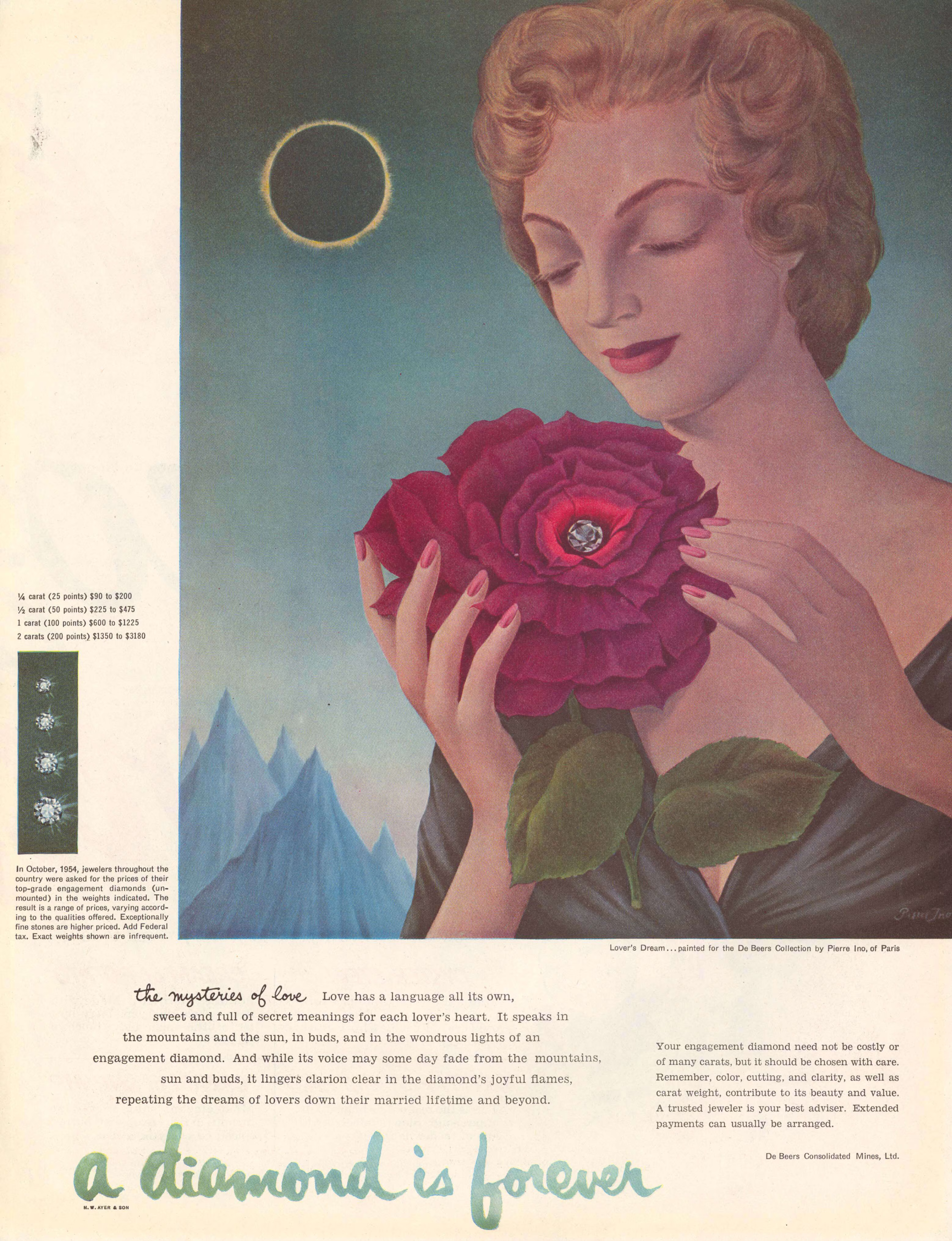
Description:
This iconic De Beers ad featured an elegant black-and-white photo of a couple, anchored by the unforgettable line, “A Diamond is Forever.” The emotional appeal here is clear: enduring love. It tapped into the universal desire for lasting connection, making the diamond ring the ultimate symbol of commitment.
Objectives:
The goal was to increase diamond sales by cementing the tradition of diamond engagement rings in American culture. The objective was clear, long-term, and measurable—sales skyrocketed, and the tradition took hold.
Target Market:
Young couples, particularly men preparing to propose. The ad sought to influence not only individuals but an entire cultural expectation.
Call to Action & Benefits:
Buy a diamond engagement ring to express your love. For women, receiving one signified being deeply cherished. The benefit was emotional and symbolic more than practical.
Value Proposition:
Diamonds are rare, beautiful, and enduring—just like true love. The ad positioned the product as not just a luxury, but a necessity in modern romance.
2. Pan American Coffee Bureau: “Give Yourself a Coffee-Break” (1952)
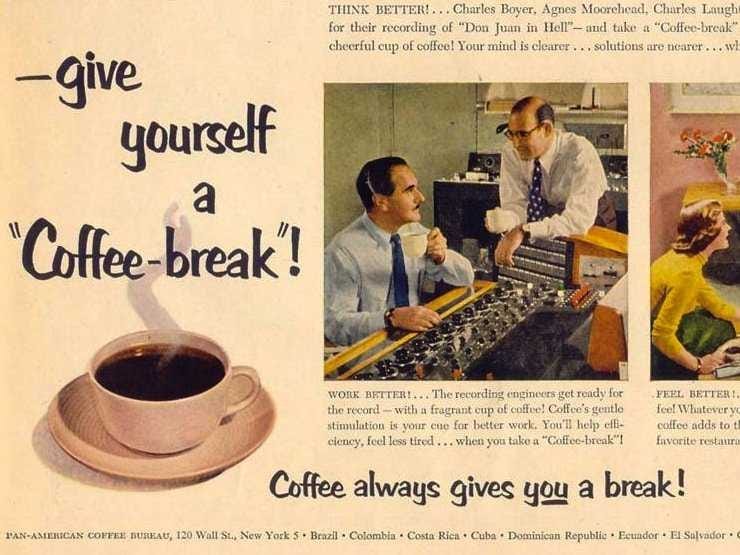
Description:
This cheerful ad encouraged workers to “Give Yourself a Coffee-Break,” showing upbeat office scenes of people enjoying a midday caffeine pick-me-up. The emotional appeal focused on comfort, productivity, and a sense of reward.
Objectives:
To boost national coffee consumption by embedding the idea of a workplace coffee break into daily routine. The goal was behavioral and measurable—get more people to drink more coffee, more often.
Target Market:
Office workers and employers. The campaign especially targeted white-collar environments where scheduled breaks could become institutionalized.
Call to Action & Benefits:
Encourage taking a mid-morning or afternoon coffee break. Workers benefited from increased alertness and social bonding. Employers got more refreshed, productive employees.
Value Proposition:
Coffee isn’t just a drink—it’s fuel for productivity and a necessary pause in the day to recharge mentally and physically.
3. Volkswagen: “Think Small” (1959)

Description:
A clean, minimalistic design featuring a tiny Volkswagen Beetle in a sea of white space. The message? “Think Small.” This ad flipped the narrative of what a car should be and evoked trust through humility and logic.
Objectives:
To build brand awareness and boost U.S. sales by positioning the Beetle as a smarter alternative to bulky American cars. The campaign was measurable in sales and brand recognition.
Target Market:
Pragmatic, value-driven consumers—often younger, urban, and less status-oriented. The ad appealed to those who thought differently about cars and life.
Call to Action & Benefits:
Buy a Beetle. The benefit? Affordability, fuel efficiency, reliability, and ease of use. It made driving practical, not showy.
Value Proposition:
The Beetle offered a more rational, budget-conscious, and dependable driving experience at a time when bigger was assumed to be better.
4. Winston Cigarettes: “Winston Tastes Good Like a Cigarette Should” (1954–1972)

Description:
With its catchy (and grammatically controversial) slogan, this ad featured smiling people enjoying Winston cigarettes. The emotional appeal was based on pleasure, satisfaction, and rebellious familiarity.
Objectives:
To increase brand loyalty and market share by associating Winston with superior taste. It aimed to stand out in a crowded cigarette market through repetition and cultural stickiness.
Target Market:
Adult smokers of all genders, particularly those looking for a “better-tasting” cigarette and perhaps enjoying the brand’s slightly rebellious attitude.
Call to Action & Benefits:
Buy Winston cigarettes. The benefit was a smoother, more satisfying smoke—framed as the standard by which all cigarettes should be judged.
Value Proposition:
Taste is the key differentiator. If you want a cigarette that delivers flavor and satisfaction, Winston is it.
5. Lord Kitchener: “Your Country Needs You” (1914)
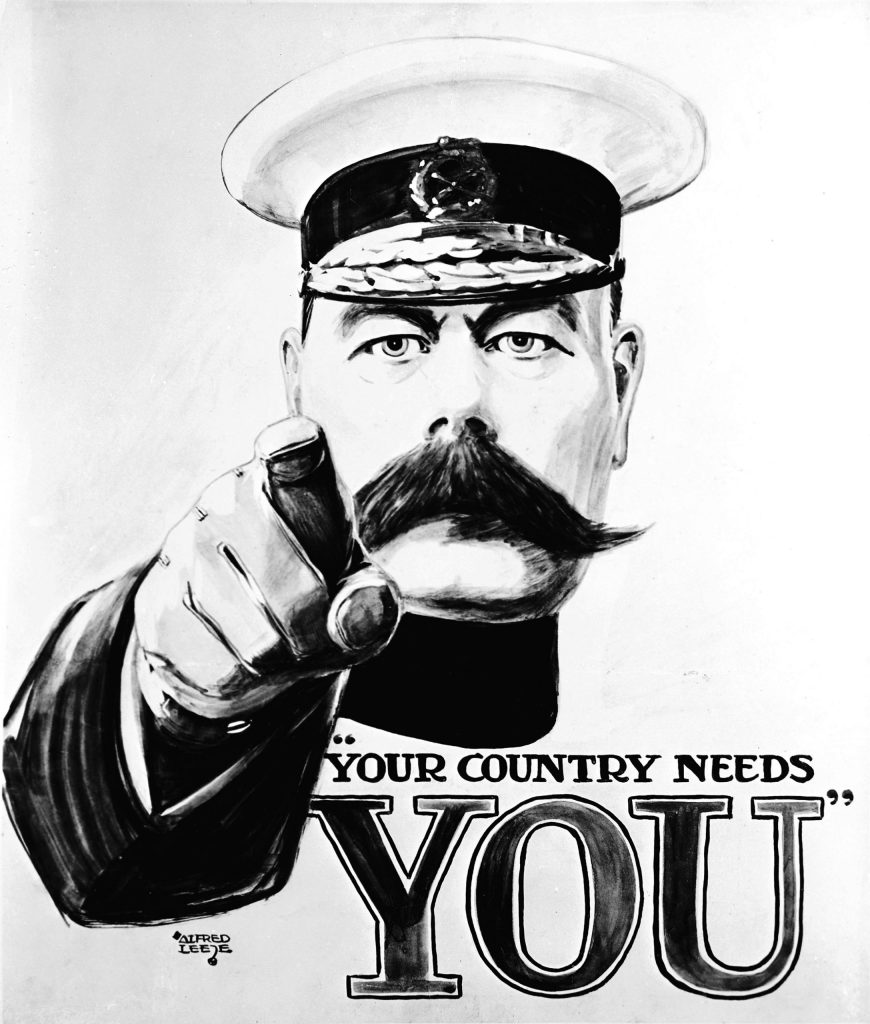
Description:
This British WWI recruitment ad used a simple but powerful image: Lord Kitchener pointing at the reader with the message “Your Country Needs YOU.” The emotional appeal was duty, nationalism, and urgency.
Objectives:
To increase enlistment in the British Army during the early days of World War I. The ad was short-term and very measurable based on recruitment numbers.
Target Market:
Able-bodied British men, particularly those of military age, who felt a sense of patriotic obligation or social pressure.
Call to Action & Benefits:
Enlist in the army. Benefits were framed in honor and heroism—serving the country was a noble act that brought prestige and personal fulfillment.
Value Proposition:
Joining the military was portrayed as both a responsibility and a privilege. It allowed men to be part of something greater than themselves.
Conclusion: What Makes These Ads Effective?
While these five ads span vastly different industries and decades—from diamonds to cigarettes to war—they share some powerful similarities:
- Emotional Connection: Each ad tapped into deep emotional themes—love, duty, pride, rebellion, or productivity.
- Cultural Timing: They were all perfectly timed to meet (or create) a cultural moment—whether it was a post-war marriage boom, a wartime crisis, or the rise of office culture.
- Clear Messaging: None of these ads were subtle. They each had a straightforward message and an obvious next step for the consumer or citizen.
- Memorable Language or Imagery: Whether it was a catchy slogan, a striking visual, or a clever reversal of norms, they stuck in the public consciousness.
Yet, the differences are just as telling. Some ads relied on fear or duty (Lord Kitchener), while others used lifestyle aspiration (De Beers) or logic (Volkswagen). This diversity shows that effective advertising doesn’t follow a single formula—it’s about understanding your audience, the cultural context, and the emotional levers that move people to action.


 Mind Your Business
Leave a reply to Freddy Colindres Cancel reply