Iconic Influence: 5 Magazine Ads That Changed Advertising

Magazine advertisements have long served as cultural mirrors—reflecting shifting trends, tapping into emotions, and even rewriting the rules of consumer behavior. Unlike fleeting digital banners, magazine ads often live on in readers’ minds for years, their glossy layouts and powerful messages leaving lasting impressions.

Since the 1980s, the advertising industry has produced some of its most provocative, persuasive, and unforgettable work within the pages of fashion, tech, and lifestyle magazines. In this post, we’ll dive into five magazine advertisements that not only grabbed attention but also reshaped the identities of the brands behind them. From scandalous denim slogans to empowering sportswear mantras, these ads didn’t just sell products—they defined eras.


1. Calvin Klein Jeans – “Nothing Comes Between Me and My Calvins” (1980)
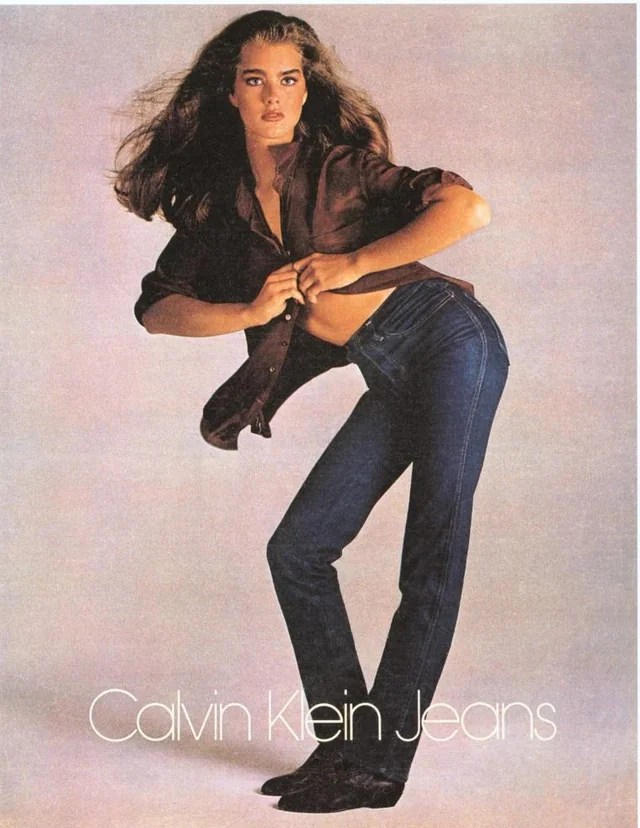
Description:
This provocative ad featured a 15-year-old Brooke Shields in form-fitting Calvin Klein jeans saying, “You want to know what comes between me and my Calvins? Nothing.” The sexual undertone drew controversy but cemented Calvin Klein as a provocative, trendsetting brand.

Objectives:
The campaign aimed to generate massive brand awareness and spark conversation by pushing societal boundaries, resulting in a sharp spike in sales.

Target Market:
Teenagers and young adults looking to make bold fashion statements and embrace edgy, urban styles.

Call to Action & Benefits:
Encouraged consumers to wear Calvin Klein jeans to project confidence and sex appeal.

Value Proposition:
Calvin Klein jeans were presented as more than just pants—they were a cultural badge of youthful rebellion and fashion-forward thinking.


2. Apple – “Test Drive a Macintosh” (1984)

Description:
Following the iconic “1984” Super Bowl commercial, this print campaign invited users to “test drive a Macintosh” for 24 hours. It highlighted Apple’s revolutionary interface and design, contrasting with the cold, complex systems of competitors.

Objectives:
Introduce the Macintosh computer to the public and establish Apple as the user-friendly choice in tech.

Target Market:
Tech-forward professionals, creatives, and students seeking innovation.

Call to Action & Benefits:
Encouraged readers to visit Apple dealers and try the Mac, promising intuitive usability and cutting-edge design.

Value Proposition:
Apple positioned the Macintosh as a personal, accessible computing tool that empowered users to be more productive and creative.


3. Nike – “Just Do It” (1988)

Description:
Nike’s now-iconic slogan debuted with a powerful campaign featuring everyday athletes alongside professionals. “Just Do It” became more than a catchphrase—it was a movement.

Objectives:
To emotionally connect with consumers and inspire them to view Nike not just as sportswear, but as a mindset.

Target Market:
Everyone from seasoned athletes to people new to fitness—all united by a desire to overcome challenges.

Call to Action & Benefits:
Motivated people to take action, try harder, and push through physical or mental boundaries with Nike gear.

Value Proposition:
Nike provided the apparel, but the true value was empowerment—the idea that anyone could achieve greatness with the right mindset.


4. Absolut Vodka – “Absolut Perfection” (1980s)

Description:
This minimalist ad showcased the brand’s iconic bottle with a halo above it, paired with the clever tagline “Absolut Perfection.” It was the start of a long-running and wildly successful ad series.

Objectives:
To differentiate Absolut in a competitive liquor market through artistic, elegant advertising.

Target Market:
Design-conscious, urban drinkers who appreciated creativity and quality.

Call to Action & Benefits:
Subtly encouraged consumers to associate Absolut with sophistication and premium taste.

Value Proposition:
Absolut positioned itself not just as a vodka, but as a lifestyle brand—clean, clever, and premium.


5. Got Milk? – Celebrity Milk Mustache Ads (1993)
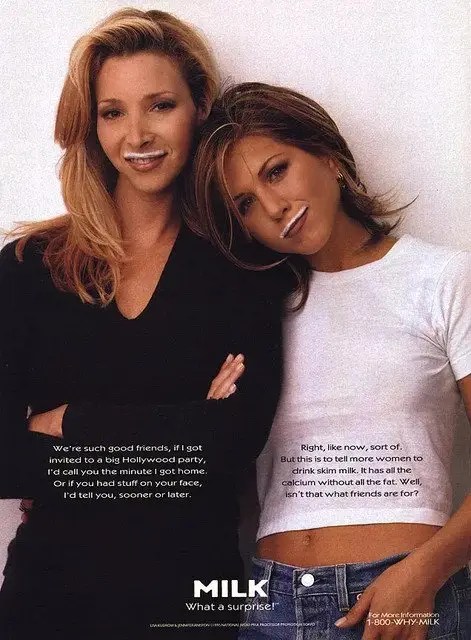
Description:
Launched by the California Milk Processor Board, this campaign featured celebrities from sports and entertainment with milk mustaches, along with the question “Got Milk?” It became a pop culture phenomenon.

Objectives:
Reverse declining milk sales by making milk consumption appear trendy and essential, especially for growing kids and teens.

Target Market:
Parents, kids, teens, and health-conscious consumers.

Call to Action & Benefits:
Encouraged people to drink more milk by associating it with bone strength, growth, and celebrity coolness.

Value Proposition:
Milk isn’t just healthy—it’s relevant and endorsed by your favorite celebrities.


Conclusion: The Art of Lasting Impact

What makes these magazine ads truly iconic isn’t just strong visuals or clever taglines—it’s their ability to emotionally resonate, culturally connect, and drive action. While their tactics varied—from Apple’s invitation to experience something new, to Calvin Klein’s controversy-laden confidence—each ad understood its audience and knew how to make an impression that would outlast the turn of a page.

They all reflect one golden rule of great advertising: show the consumer who they can be with your product, not just what they can buy. Whether it was milk, denim, sneakers, or software, these five campaigns used magazines not just to advertise—but to inspire, challenge, and influence.

Comments

9 responses to “Iconic Influence: 5 Magazine Ads That Changed Advertising”

  1. Jeff McDaniel Avatar
    Jeff McDaniel

    Hi Casey, Your analysis of Nike’s “Just Do It” campaign captures its universal appeal and cultural impact. The way you describe it as a “movement” rather than just a slogan is spot-on, especially noting how it connects emotionally with everyone from professional athletes to everyday people. Your breakdown of the target market, uniting individuals through a shared desire to overcome challenges, explains why this campaign has resonated across generations.

    The longevity of “Just Do It” is remarkable. As you highlighted, its message transcends sportswear, selling empowerment and grit. I’ve personally leaned on that phrase throughout my career, whether tackling a tough project or a military mission. The campaign’s ability to evolve while staying true to its core ethos, like the shift toward inclusivity in recent years, shows why it remains relevant decades later.

    Like

    1. Casey McCully Avatar

      Thank you so much for your thoughtful response! I really appreciate you sharing your personal connection to the “Just Do It” campaign—it’s a powerful testament to how deeply the message resonates beyond marketing. I agree completely that its evolution toward inclusivity while maintaining its core message of perseverance and empowerment is what keeps it both timeless and impactful. It’s incredible how a three-word phrase can become such a personal mantra for so many people, in so many different walks of life. Thanks again for your insights—your perspective added even more depth to the conversation!

      Like

  2. Freddy Colindres Avatar
    Freddy Colindres

    Hi Casey,

    Wow—this ad really brought back memories! The “Got Milk?” slogan is one of those rare campaign lines that truly became part of pop culture. I remember seeing those milk mustache posters everywhere—from schools to magazines—and recognizing all the celebrities made it even more impactful. It was such a clever way to make something as ordinary as milk feel cool and essential.

    What’s really impressive is how the campaign didn’t just promote milk—it shifted how people thought about it. Instead of being just a drink for kids, it became part of a healthy, aspirational lifestyle. Tying it to growth, strength, and celebrity status was genius marketing, especially for teens looking to relate to their idols.

    Do you think a campaign like this would still work in today’s digital and influencer-driven world? And here’s a fun thought: what modern product could use a campaign like this today to boost its relevance?

    Like

    1. Casey McCully Avatar

      Thank you so much for your response! I totally agree—the “Got Milk?” campaign was such a memorable piece of pop culture, and those milk mustache ads really were everywhere! It’s amazing how a simple concept managed to elevate something as basic as milk into a symbol of health, strength, and even coolness. The way it resonated with younger audiences by leveraging celebrity influence was definitely ahead of its time.

      You bring up a great question—while the media landscape has shifted dramatically, I do think a modern version of this campaign could work today, especially if it tapped into influencer culture and leaned into authenticity. Something like plant-based milk or even water brands could benefit from a nostalgic yet fresh take. It’s fun to think about what everyday product might be next in line for that kind of cultural moment. Thanks again for the thoughtful reply—I loved hearing your perspective!

      Like

  3. Samantha Ellithorpe Avatar

    Great analysis, Casey! It’s interesting to see how Calvin Klein positioned their jeans as more than just clothing. Like you said, they became a symbol of youthful rebellion and edgy, fashion-forward identity. What really stands out to me, though, is how the strategy of using sex appeal to sell is still so prevalent today. This is not just a tactic used in fashion but also in fragrances, vehicles, and so many other industries. “Sex sells” has been a go-to marketing tactic for decades, and while it might grab attention, it often comes at a cost.

    It’s especially unsettling when you realize Brooke Shields was only 15 in that ad. Looking back, it’s disturbing how she was portrayed and sexualized at such a young age, not only in this ad but in movies like The Blue Lagoon. I am really glad that she is now speaking out about how that experience affected her and is bringing awareness to the reality underage stars face. It is an unfortunate reality for so many underage actors, even today. That said, I am encouraged to see more conversations happening around this, and that society is beginning to push back and hold brands and the media accountable. There’s still a long way to go, but at least the awareness is growing.

    Like

  4. Adam Symonds Avatar
    Adam Symonds

    Casey,

    I think you’ve outlined what makes Nike “Just Do It” campaign so powerful. It’s amazing how a simple slogan, combined with the right visuals, can transcend just selling shoes and actually tap into something much deeper. This slogan has helped in the creation of a billion-dollar brand.

    I totally agree with you! I think it was brilliant how the campaign blurred the lines between professional athletes and everyday people (which they still do); I feel this made the message relatable to everyone. It wasn’t just about some distant ideal of athletic perfection; it was about the personal challenges and triumphs that we all experience, regardless of our fitness level or chemical makeup.

    Nike’s objective wasn’t just pushing sportswear; they were selling a mindset of empowerment and perseverance. That emotional connection is what turned “Just Do It” into a cultural phenomenon. I hope one day I’m able to generate a marketing campaign this powerful!

    The way you described the target market as “everyone… united by a desire to overcome challenges” is perfect. It highlights the universality of the message. It’s also interesting how you pointed out that the “call to action” wasn’t just about buying Nike gear but about motivating people to push their own boundaries. And the benefit wasn’t just physical; it was that sense of empowerment and achievement.

    I think you’ve done a great job of capturing the essence of that campaign and why it resonated so strongly with people.

    Like

    1. Casey McCully Avatar

      Thanks so much—I really appreciate your thoughtful response! I agree completely that the brilliance of the “Just Do It” campaign lies in how it goes beyond selling shoes to promote a universal mindset of perseverance and self-belief. Nike’s ability to blur the line between pro athletes and everyday people made the message so powerful and relatable.

      I also love how you framed the emotional connection as the true product. That’s exactly what made the campaign such a cultural milestone. Thanks again for the kind words!

      Like

  5. Bridgett Librado Avatar
    Bridgett Librado

    Hi Casey,
    The Brooke Shields Calvin Klein ad was definitely a game-changer. That famous line about “nothing” between her and her Calvins was clearly sexual, which is pretty disturbing considering she was only 15.

    Calvin Klein knew exactly what they were doing – creating controversy to get people talking and boost sales. It worked brilliantly from a business perspective, even though it crossed serious ethical lines.

    The ad appealed to teens who wanted to seem cool and rebellious, while also attracting older consumers with its provocative nature. It’s a perfect example of how advertising in the past got away with things that would never fly today.

    Looking back, it’s pretty shocking how a campaign that sexualized a minor became so iconic. It shows how much our standards have changed around protecting young people in media and advertising.

    Like

    1. Casey McCully Avatar

      Absolutely—you’re spot on. The Brooke Shields ad was deliberately provocative, and while it succeeded in getting attention, it clearly crossed ethical lines by sexualizing a minor. It’s wild to think how something like that was not only accepted but became iconic.

      I agree—it really highlights how much our cultural standards have shifted. Today, that kind of messaging would (rightfully) spark outrage. Thanks for the thoughtful reflection!

      Like

Leave a reply to Bridgett Librado Cancel reply